UKRAINIAN HORECA SCHOOL | FEATURE INTERVIEW
Heritage as Action and Spiritual Armor: A Candid Conversation on the Code of Boykivshchyna, Opillia, and a New Standard of Ukrainian Hospitality
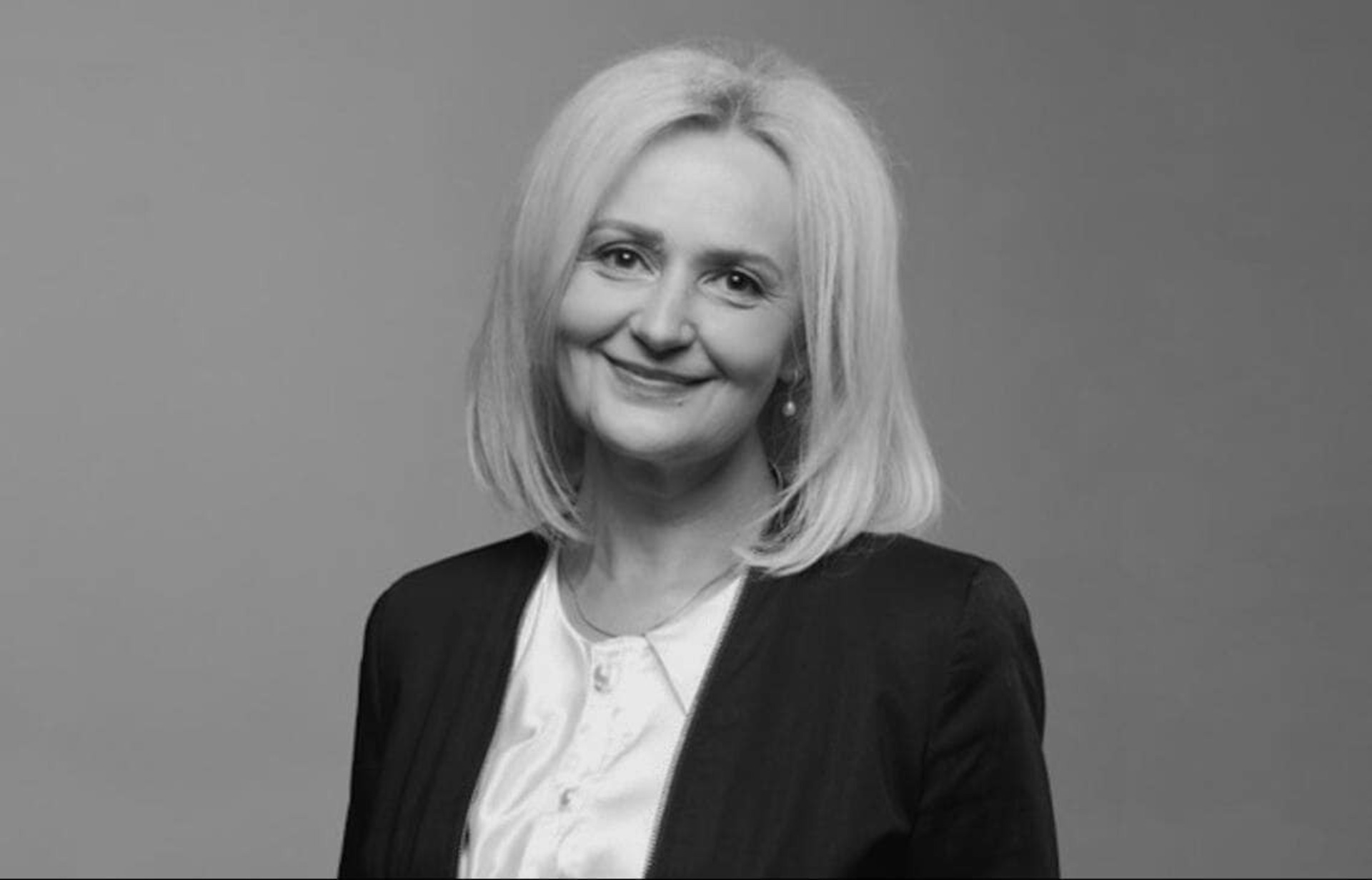
How cultural heritage steps out from behind museum glass to become the foundation of modern service, academic collaboration, and Ukraine’s wartime resilience. A feature interview by Mykhailo Sheveliuk, Head of the Ukrainian HoReCa School and Associate Professor at the Department of Tourism, Lviv Polytechnic National University, with Olha Bodnar, Head of the Cultural Heritage Protection Sector of the Stryi District Military Administration.
The Stryi District is an extraordinary cultural borderland where the gentle, generous fields of Opillia embrace the rugged majesty of the Carpathian Mountains and proud Boykivshchyna—bringing together the distinct traditions of Skole, Mykolaiv, Zhydachiv, and Stryi itself in the very heart of the region. Here, cultural heritage has long moved beyond bureaucratic paperwork to become a living movement.
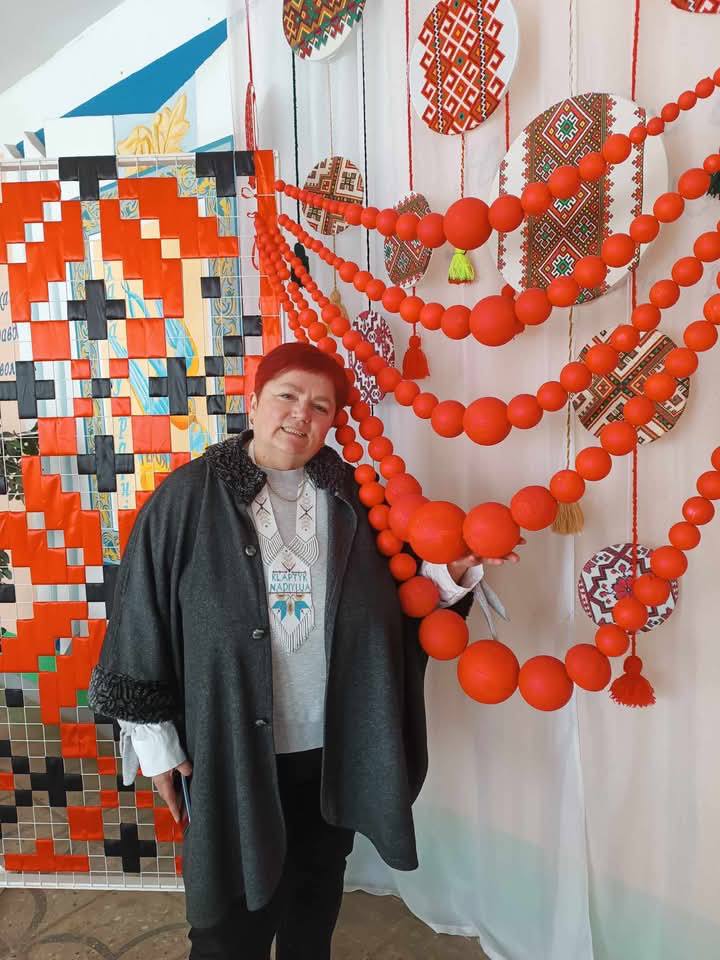
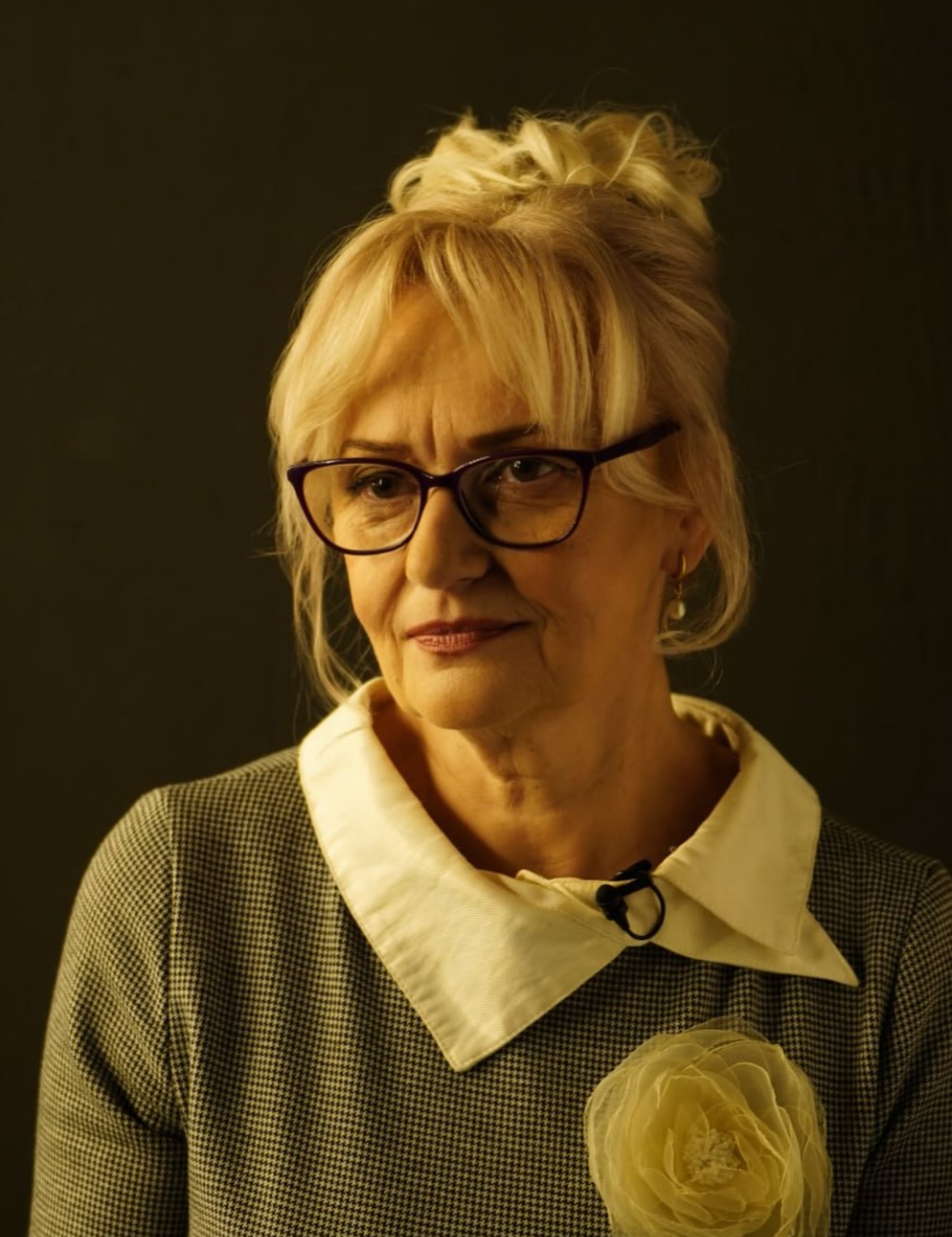
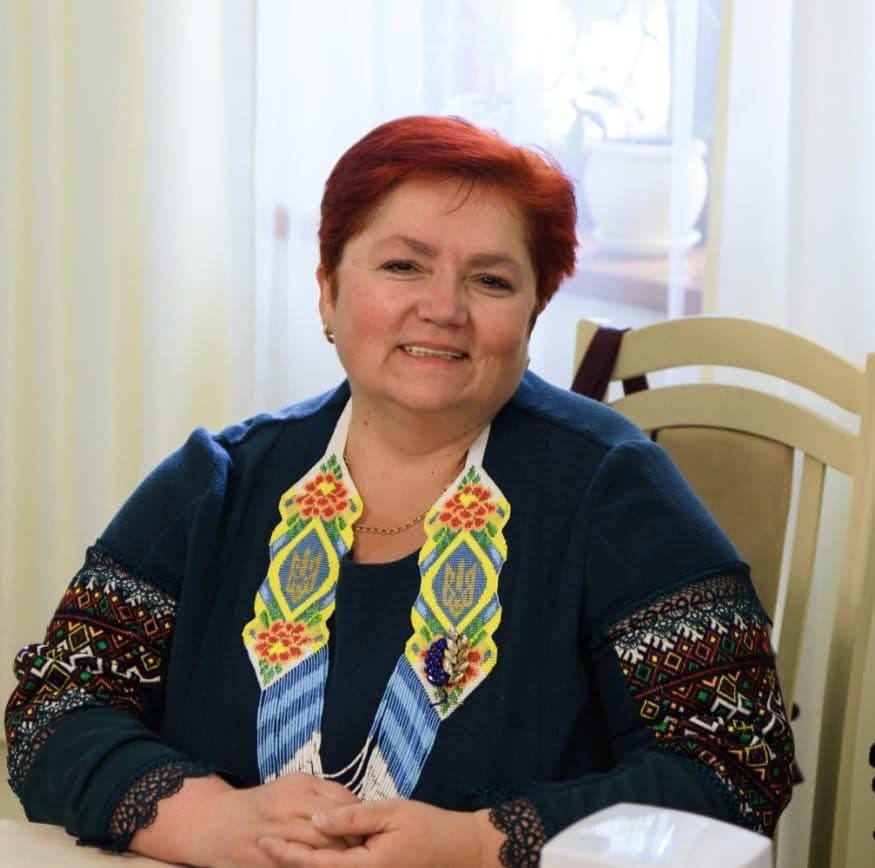
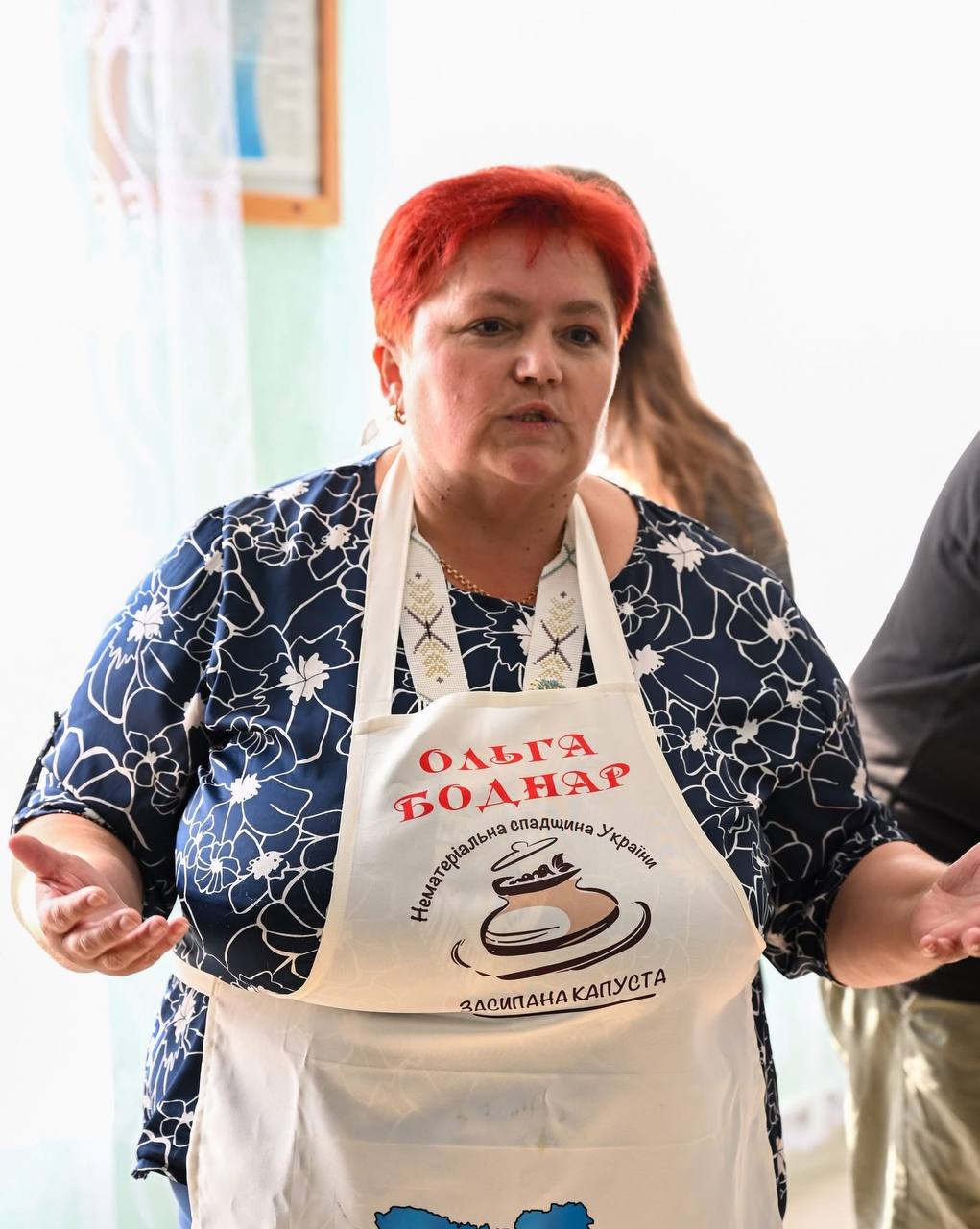
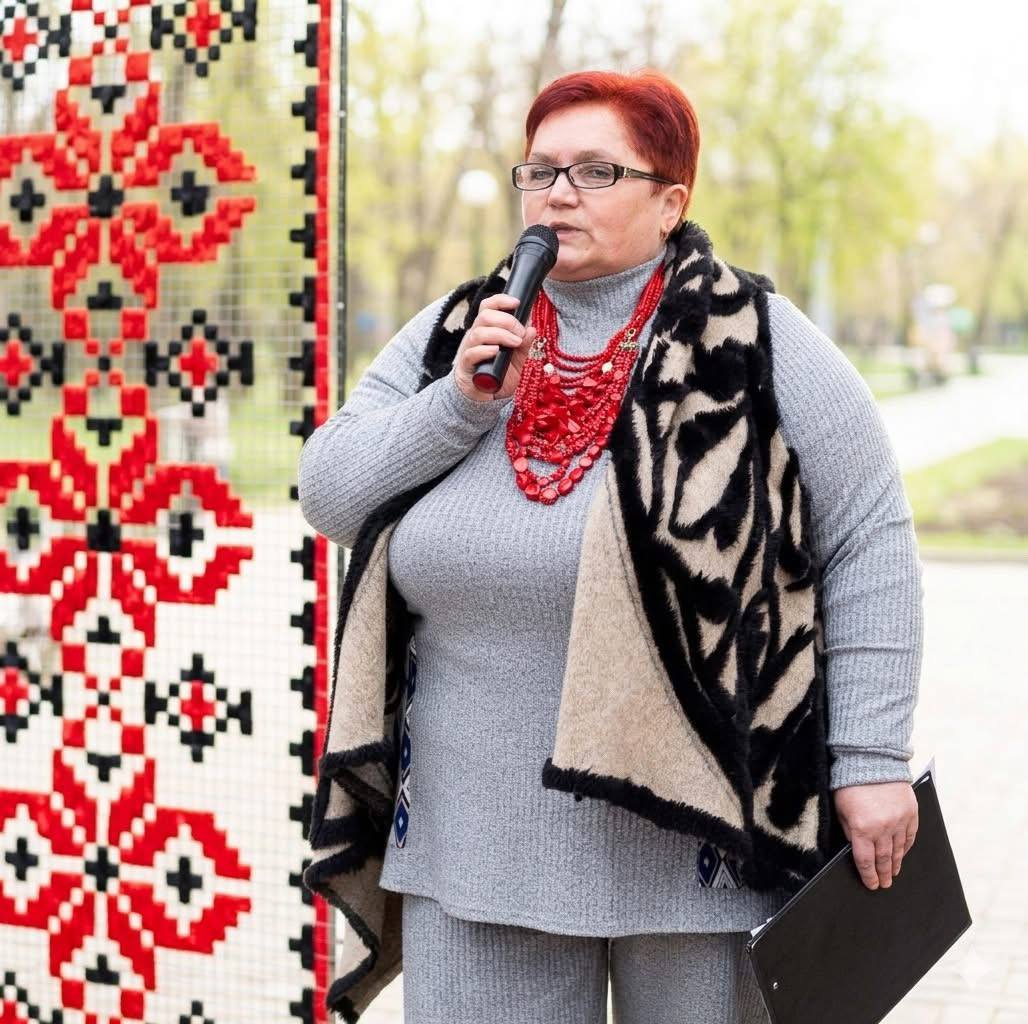
Olha Bodnar is widely known across the Lviv region and far beyond as a “Life-Bringer” (Zhyvonosytsia) and a guardian of local identity. Head of the Cultural Heritage Protection Sector of the Stryi District Military Administration, leader of the NGO “Council of Reforms,” the “Hetman Ivan Vyhovsky Heritage Center,” and the Public Union “Ukrainian Institute of Intangible Cultural Heritage,” Master of Public Administration, Brand Ambassador for the Book of World Records, and organizer of eight national records of Ukraine—she is convinced that in times of existential war, culture is our mental weapon.
We sat down with Ms. Olha to record this conversation for the Ukrainian HoReCa School website and an upcoming book on hospitality and service—exploring how to “translate” ancient recipes into the language of the modern guest, what five-star hotels can learn from the Boykos, and how partnership with scholars from the Department of Tourism at Lviv Polytechnic National University opens new horizons for the region.
Part 1. Heritage as Action and “Spiritual Armor”
— Ms. Olha, in your writings you call cultural heritage not a museum archive, but “spiritual armor,” and you urge us to “hold the ranks of Ukrainian identity.” When did folklore and traditions stop being just a pretty picture for you personally and become a matter of national survival?
— “Holding the ranks of Ukrainian identity” is not a metaphor; it is our absolute existential defense. For me personally, folklore and traditions were never merely a pretty picture, ethnography, or a decorative attribute—I absorbed that truth from my grandparents and great-grandparents. Yet February 24, 2022, fiercely redrew everything, becoming for me—just like a watershed in the Carpathians—a true point of no return between “before” and “after.”
In those first three days of 2022, when the enemy intended to wipe us out and we stood firm, I clearly understood that only God and Ukraine held us up—and continue to hold us today. Within that single word—Ukraine—lies everything: our identity, our code, our matrix, our heritage, our growth, our victory, and our flourishing. This is our spiritual armor that prevents the enemy from breaking us from within, because we are fighting an existential war—a war for our people’s very right to life, for the memory of our ancestors, and for the future of our children. It is a battle of light against darkness in which culture is our sharpest sword, and every preserved tradition, every song, every borscht cooked according to an ancestral recipe, and every embroidered shirt is another nail in the coffin of the empire that came to destroy us. We are fighting not merely for territory, but for the soul of the world, and our unbreakable ranks are anchored in a sacred bond across generations that no enemy missile can ever sever.
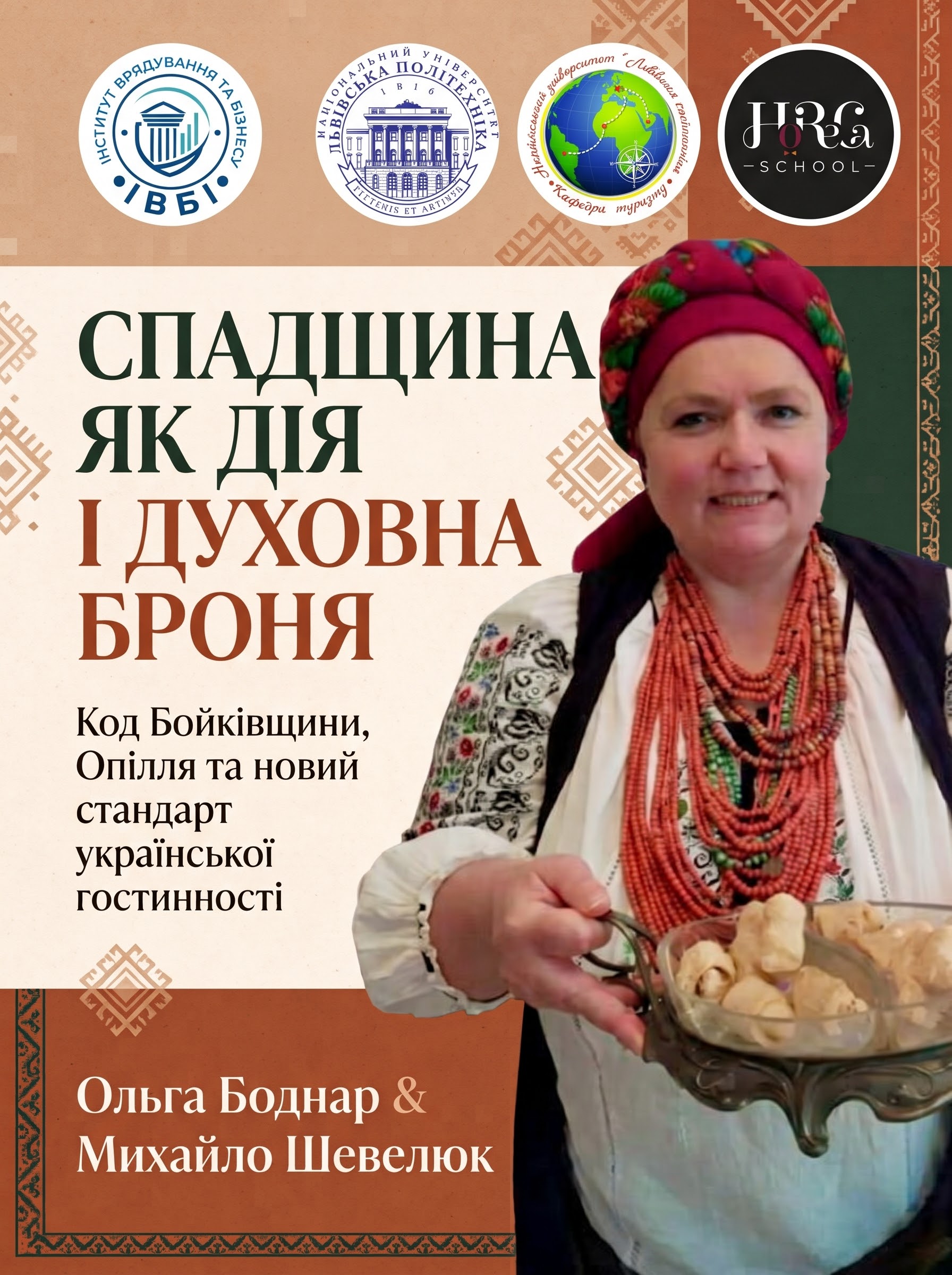
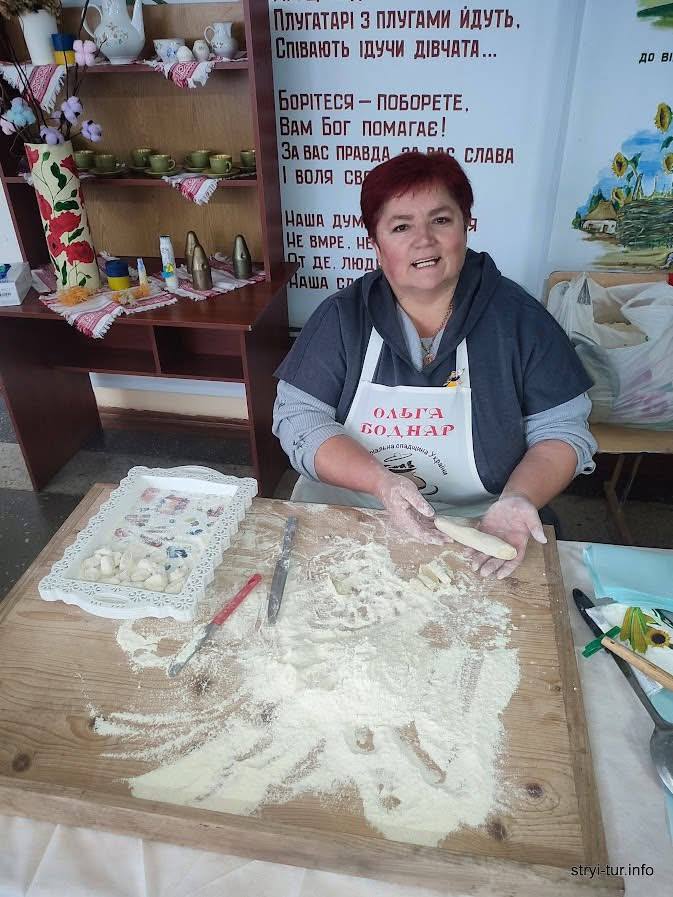
— In a magazine photograph, you are holding a bowl of hand-pinched varenyky (pyrohy) while wearing a magnificent authentic folk costume with coral necklaces. If you had to describe the character of a true Boyko and an Opillian through a single flavor or dish from the Stryi District, what would it be and why?
— The Stryi District is a unique borderland where the mighty Carpathians meet the soft diversity of Opillia, and our flavors tell the story of our land’s character better than any words ever could. When we compare the two souls of our region through gastronomy, Boyko and Opillian cuisines unfold as two facets of a single Ukrainian identity—where rugged mountain character blends harmoniously with the generosity of Opillian fields and valleys.
1. The Boyko Flavor — A Backbone Tempered by the Mountains.
• The Dish: Boyko pyrohy (varenyky) filled with sauerkraut or potatoes.
• Character and Cuisine: Boyko cuisine is the quintessence of endurance, hard work, and unyielding strength. Simple in appearance, it possesses a resilient inner core tempered by harsh mountain life. The tang of fermented cabbage or hearty potatoes securely wrapped in firm, thoroughly kneaded dough is a flavor that provided the energy to survive freezing mountain winters and the hardest of times. It is a flavor of character: authentic, deep, steadfast, and faithful to thousand-year-old ancestral traditions. A Boyko never scatters energy on trivialities—he always holds the foundation.
2. The Opillian Flavor — Abundance, Warmth, and the Comfort of the Land.
• The Dish: Fragrant Opillian mushroom machinka, richly thickened with flour (“pidbyta mukoiu”), served with homemade potatoes or fresh bread.
• Character and Cuisine: Opillia is a land of sweeping fields, lush forests, and cozy valleys. Opillian gastronomy has always stood out for its rich textures and deep, full-bodied gravies. Mushroom machinka made from wild porcini mushrooms, generously enriched with sour cream and whisked with flour to a velvety consistency, is the embodiment of hospitality, family warmth, fertility, and the sincere generosity of our soil. An Opillian knows the taste of life, knows how to create comfort around them, and feeds guests from the bottom of their heart.
Where lies their strength together? When tangy Boyko pyrohy and fragrant, velvety Opillian mushroom machinka meet on the same table, the full grandeur of the Stryi District comes alive. This is our indestructible spirit—the might and austere endurance of the mountains inseparably united with the warmth and abundance of Opillia. We hold our ranks both on the battlefield and in our own kitchens, because the taste and strength of our land can neither be destroyed nor forgotten.
— Your Inventory of Intangible Cultural Heritage of the Stryi District already includes 22 elements—from stone-carving in Demnia to the traditions of Opillia and Boykivshchyna. Which of these elements surprised you personally the most when you first heard its story “in the field”?
— Whenever people ask me which of the 22 elements in our Stryi District Inventory of Intangible Cultural Heritage surprised me the most “in the field,” I always answer without hesitation: the tradition of preparing Opillian kutia. This dish has the power to astonish not only with its extraordinary flavor palette, but also with its deep, captivating history.
Most of us are accustomed to wheat kutia, yet in Opillia, the main ingredient from time immemorial was barley. Why? Because Opillia has always been renowned for its fertile soils, temperate climate, and reliable harvests of this grain. But the story of barley goes much further—it was not just the basis for bread or ritual dishes, it was the driving force of an entire era! Barley malt sustained local brewing in towns granted Magdeburg rights, and grain was a key commodity at bustling market fairs. The world of that era moved on horseback—horses carried merchants, delivered mail at post stations, and served as the backbone of farming and the military, and horses required high-quality feed. That is why barley became the dominant grain of the region and the heart of its most important Christmas dish.
How was this ancient delicacy prepared? It was a true sacred ritual:
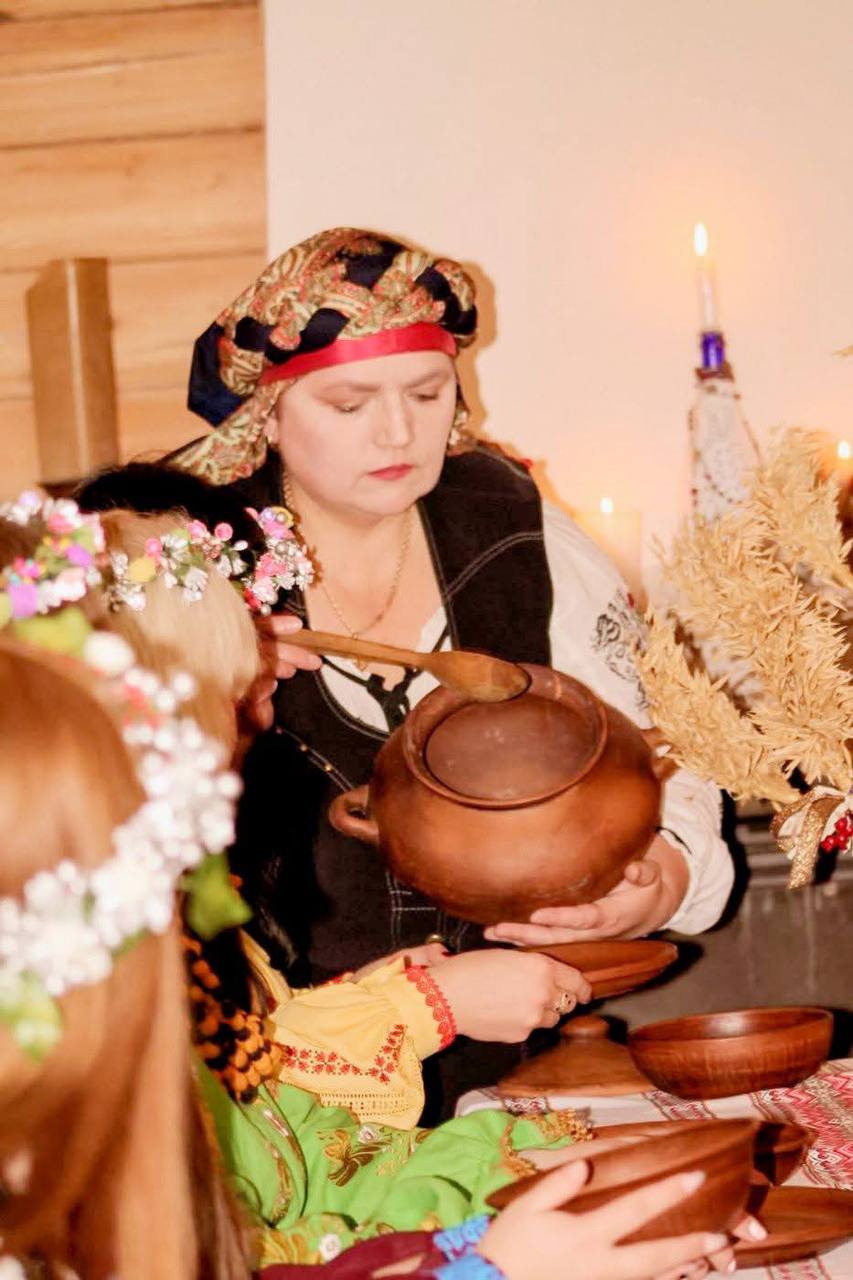
• The barley was soaked for several hours and then simmered in a large clay pot until tender.
• Fragrant poppy seeds were scalded with boiling water, steeped, and ground painstakingly in a clay makitra until they released a rich white milk.
• With a prayer, the ground poppy seeds, aromatic wildflower honey, chopped walnuts, and… cherries were folded into the cooked barley! Opillia has long been famous for its lush cherry orchards, and their sweet-tart brightness perfectly balances the richness of the honey, adding depth of flavor and a symbolic festive color of joy and warmth.
• And the secret of many local homemakers: the finished kutia was also baked in a wood-fired oven so it would acquire an unmistakable, incomparable aroma!
For several years now, I have been making this authentic Opillian kutia in my own home for Christmas—moreover, it has become our special family ritual! For two consecutive years, we have also hosted wonderful “Christmas Gatherings in Rozdil,” where two traditions meet at one table—Opillian kutia, Boyko kutia, and heartfelt caroling that unites hearts. Try touching this flavor, and you will feel the past come alive in your home!
Part 2. The Boyko Code of Hospitality: A Bridge to the HoReCa Industry
— There is an old stereotype that Boykos are closed-off, stern people who are reluctant to welcome strangers. You know this region from the inside. What does authentic Boyko hospitality actually look like, and what is its main secret that modern five-star hotels ought to learn?
— The stereotype of Boyko “sternness” exists only among those who look at the mountains from afar and have never crossed the threshold of a Boyko home. In reality, Boykos are not closed-off—they are measured, observant, and free of artificial, “glossy” politeness. They do not waste words on empty compliments, but once they open their door to you, you cease to be merely a client or a tourist; you become a cherished guest for whom they feel responsible as if you were kin.
The core secret of authentic Boyko hospitality—so sorely missing in many modern five-star hotels—lies in genuineness and sincere engagement rather than a memorized service script. Here is what today’s hotel and restaurant industry should learn from the Boykos:
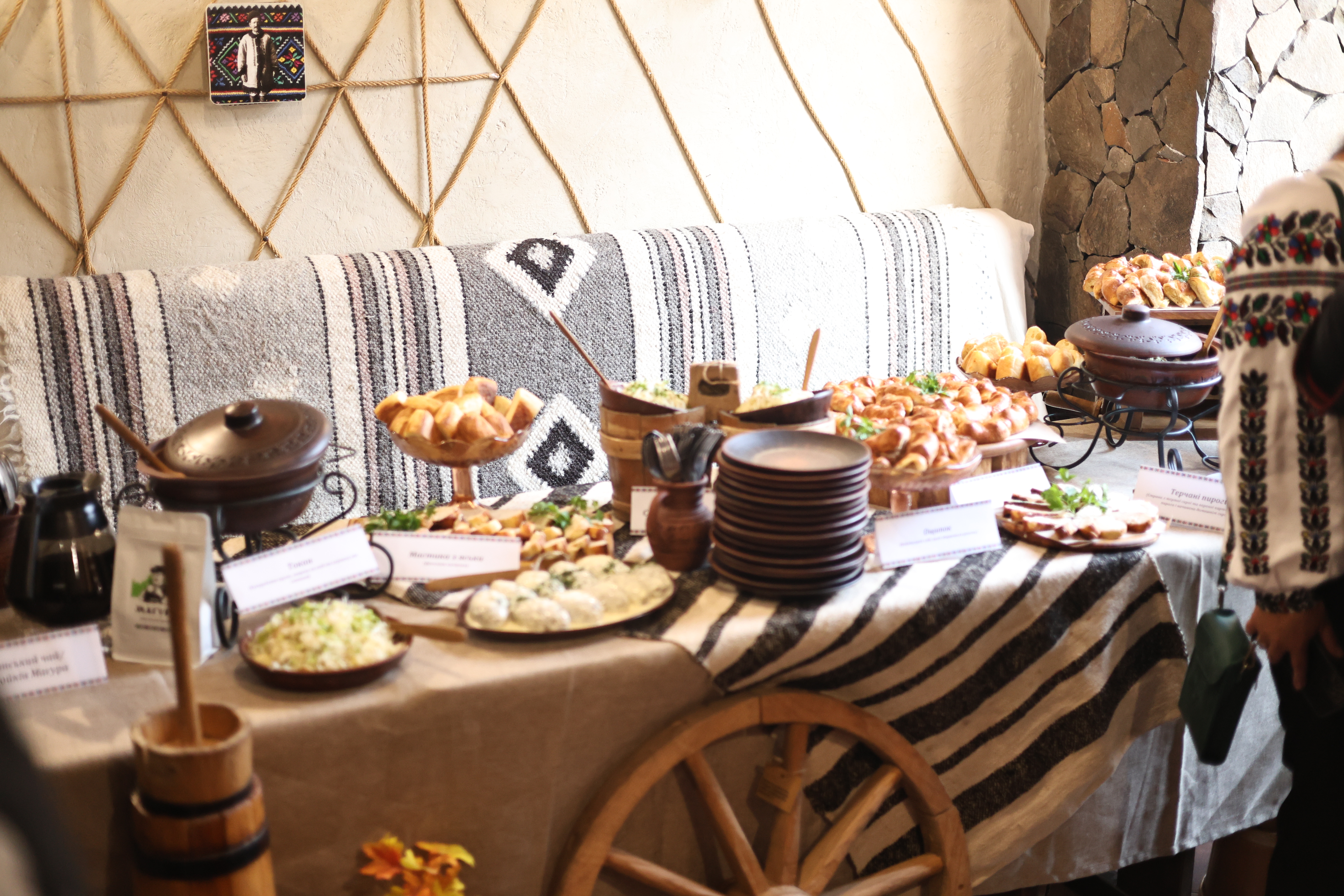
• Co-creation instead of “plastic” decoration. In a Boyko home, a guest is not entertained with a kitschy “sharovarshchyna” show. Instead, they are invited to become part of a living process: pinching pyrohy together, listening to real-life stories by the stove, churning butter, or weaving a Christmas didukh. Today’s guest is exhausted by passive consumption in sterile, cookie-cutter interiors—they crave emotional immersion and a tangible connection to real craft and living tradition.
• Food as a sacred conversation, not merely calories. A Boyko never places a dish on the table in silence. Behind every bowl of mushroom soup, zasypana kapusta, or kutia stands a story: which mountain meadow slope those mushrooms were gathered from, which great-grandmother passed down the family recipe, and why that exact flavor sustained people through winter. In the world’s finest restaurants, this is called storytelling and hyper-locality; in Boykivshchyna, it is simply a way of life.
• Respect expressed through quality and honesty. A Boyko dwelling means natural wood, homespun textiles, and earthenware crafted by local potters, where every object carries the warmth of human hands and the memory of generations. Nothing of substance is ever replaced with a cheap imitation.
Five-star service, Boyko-style, is when a guest feels they were truly awaited, given the very best this land has to offer, and welcomed into someone’s soul. For heritage and hospitality are alive only when they are not locked behind museum glass or rigid SOP manuals, but breathe, taste, and resonate in genuine human connection.
— As Head of the Hospitality School, I often see restaurateurs hesitate to put ancient local recipes on their menus because they worry “the guest won’t understand it; they just want a burger or pasta.” How do we “translate” heritage from the Inventory into the language of the modern guest so that authenticity becomes trendy rather than kitschy?
— Restaurateurs’ fear that local dishes will be “misunderstood” arises only when heritage is marketed like a museum artifact or dressed up in plastic kitsch. The modern guest indeed does not want to eat a “historical footnote,” but they are eager to pay for emotion, meaning, and a fresh gastronomic experience.
To translate an element from the Inventory into the language of the modern guest and make authenticity fashionable, a venue must shift its lens—moving from routine “service” to a living cultural act. Here is how it works in practice:
• Sell technique and trend, not “antiquity.” Words like “pickling” or “oven-baking” might sound ordinary to a young guest, whereas fermentation, hyper-locality, craft, and slow wood-fired roasting are top global culinary trends. When we serve Boyko pyrohy or oven-baked Opillian barley kutia, we speak the language of fine gastronomy: pure flavor, complex texture, and a unique local product you cannot find in any chain restaurant.
• Turn the dish into a story (storytelling). A burger or pasta tastes the same everywhere—it lacks a sense of place. When a server doesn’t just set down a plate, but shares why cherries and barley belong in Opillian kutia, or how mushroom machinka unites the Carpathian forest with the fields of Opillia, an ordinary dinner becomes an event. The restaurant becomes a researcher and a guide to the region’s culture.
• Adapt the form while preserving the code. You don’t have to serve a dish in a massive rustic clay bowl if your restaurant’s concept is contemporary. You can refine the plating, portion size, and flavor pairings while keeping the authentic recipe and soul of the dish intact. When authenticity is presented contemporarily—on aesthetic ceramics crafted by local potters—it is perceived as an elevated product rather than “rural exoticism.”
• Create a ritual, not just “fueling up.” Modern people crave community and real emotion. A coffee shop can become a space for urban hospitality and dialogue, while a restaurant or catering team can revive the fashion for ceremonial meaning—communal holiday kutia tastings, baking a wedding korovai, or workshops on pinching pyrohy and baking oshchypok flatbreads.
The secret is that intangible cultural heritage is not a frozen past. It is what we make alive, delicious, and relevant right now. And when a restaurateur dares to be honest, bold, and in love with their land, guests very quickly trade their usual burger for a dish in which the heart of our region beats.
— Today, many establishments use ethnic motifs purely as decor—hanging an embroidered towel, playing folk background music, and calling themselves a “Ukrainian restaurant.” Where do you draw the line between genuine respect for culture and superficial stylization?
— You know, telling genuine respect for culture apart from cheap theatricality is like telling the taste of real homemade bread apart from a supermarket loaf wrapped in plastic. You feel it immediately at the level of soul and atmosphere. The boundary is very simple: decoration is what we hang on a wall; culture is what we live by.
When venues hang embroidered towels on the walls, prop an old wagon wheel by the entrance, play recordings of trembita horns that were actually manufactured in China, and call it “Ukrainian color”—all while serving a completely faceless menu, following dry scripts, and viewing the guest merely as a wallet—that is dead stylization, a cardboard backdrop put up to check a box, reeking of falseness.
Genuine respect begins where props end and action and substance appear:
• When authenticity is not on the wall, but on the plate and in the heart. When you are not just served “some food,” but told at the table why barley is used here instead of wheat, how a mother or grandmother learned to grind poppy seeds in a makitra, or why mushroom machinka must be richly thickened with flour.
• When objects have real creators rather than coming from mass-market chains. When the ceramics in your hands are thrown by a local potter and the textiles carry the scent of honest labor because they were touched by a living artisan’s hands, not a factory conveyor belt.
• When hospitality is not a rehearsed service script, but human warmth. Just like a true Boyko or Opillian home, where you are greeted not as a customer with a pasted-on smile, but as a welcome guest offered the finest things the household has.
True culture needs no artificial pathos or loud banners. It breathes in every grain of Opillian kutia, in the cozy warmth of the hearth, and in the confident, strong attire of our identity. It is alive when we do not play-act traditions, but live them honestly, deliciously, and with love for our land.
— Your Inventory includes not only dishes and crafts, but also living social practices—such as intergenerational knowledge transfer and local tournaments. How can a restaurateur or homestead owner turn an ordinary guest dinner into that same kind of “living practice”—an experience a person carries home in their heart?
— To turn an ordinary dinner from a mere “meal” into a warm memory a person carries home in their heart, you have to stop servicing the guest as a customer—and start living that evening together with them. People today do not travel for square footage or a full stomach. They travel for a sense of home, for living human warmth, and for what cannot be bought in a supermarket or a fast-food chain.
Here is how an ordinary dinner can be transformed into that very “living practice”:
• Turn the guest from a spectator into a participant. Do not hide the kitchen behind closed doors. Invite guests before dinner to pinch a few Boyko pyrohy together, grind poppy seeds in a makitra, knead dough, or pull a clay pot of fragrant Opillian kutia out of the oven with their own hands. When a person touches the craft themselves, the dish tastes ten times more precious because a piece of their own hands is inside it.
• Bring living conversation and stories back to the table. Intangible heritage lives in the spoken word. When a homestead host or server approaches the table not with a rote “Enjoy your meal,” but with a living family story—whose embroidery hangs nearby, which forest yielded the porcini mushrooms for the machinka, or what blessing great-grandmother whispered as she slid bread into the oven—dinner becomes a journey through time.
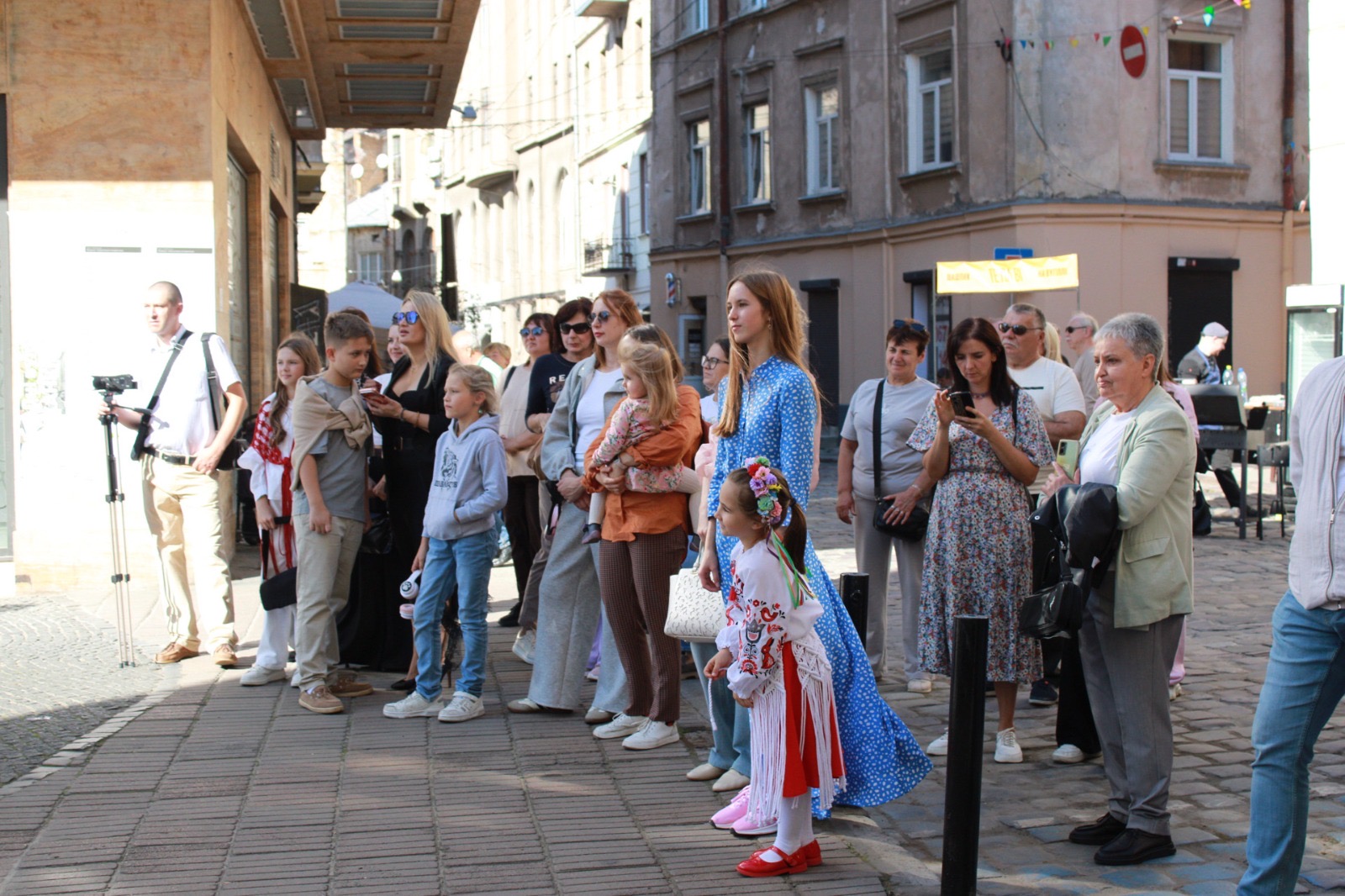
• Unite generations and people around a single table. Even on an ordinary evening at a homestead or restaurant, you can create a sacred atmosphere: host a communal meal at a long family table, invite a local musician or tradition-bearer, light a candle, sing an ancient song, or share a local legend of our region. That is how food ceases to be merely a dish and becomes a living story that touches the heart. The finest proof of this is our Christmas Gatherings in Rozdil, where ringing carols, Opillian barley kutia with cherries, and Boyko wheat kutia come together at one table, and elders pass down to the young a priceless treasure—the very things they guarded in their families all their lives. Out of such sincere encounters is born true hospitality that cannot be faked and that every guest carries away forever.
The greatest value lies in a simple secret: people will forget how much a dish cost or what color the curtains were in their room. Yet they will never forget the evening they were welcomed like family, embraced with household warmth, and made to feel part of something great, real, and eternal. That is what they will carry home in their hearts.
Part 3. Expeditions, People, Scholarship, and the Power of Partnership
— When you travel across the communities of the Stryi District searching for tradition-bearers, how do you manage to open up older homemakers who often feel shy about their local dialect or dismiss their family recipes as “simple peasant food that nobody cares about”?
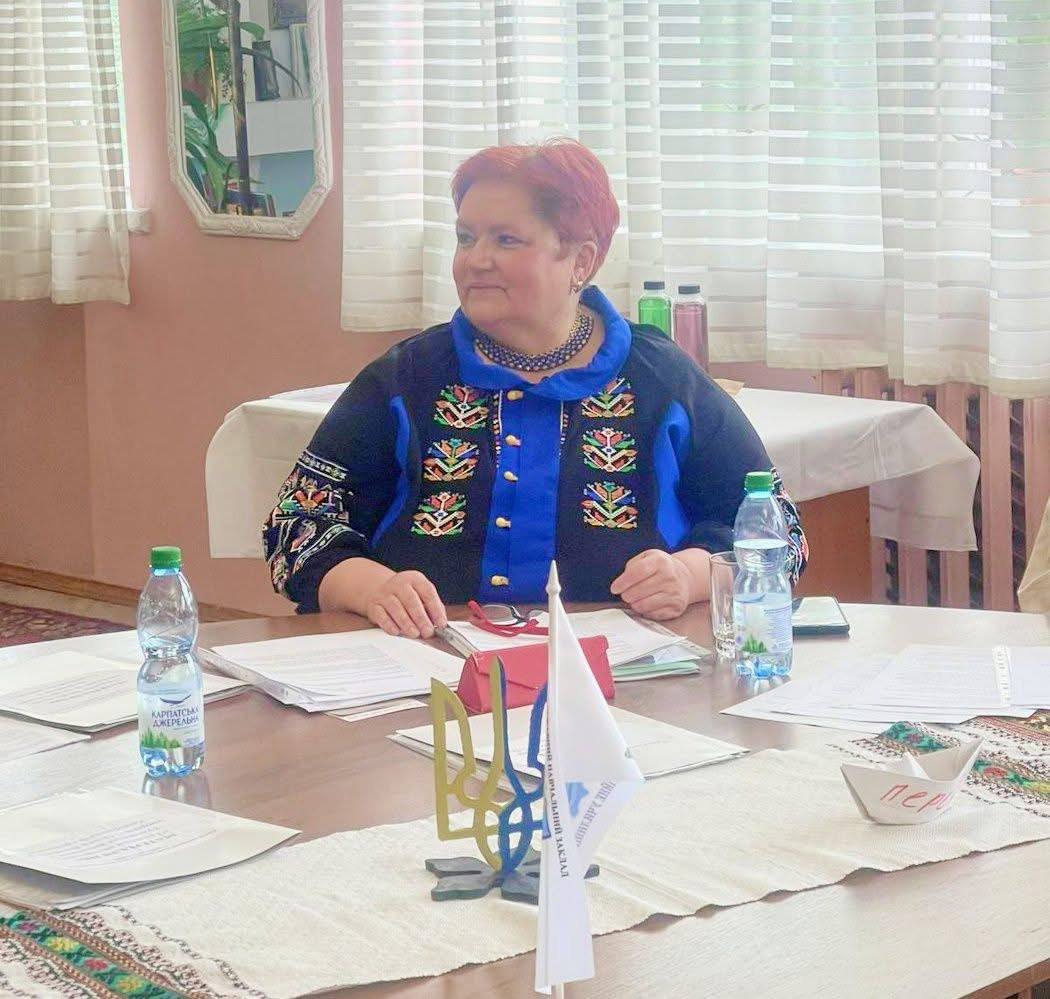
— You know, that is the most touching—and at the same time the most painful—moment of every expedition we undertake. You step into a courtyard, see an elderly homemaker with toil-worn yet deeply warm hands, and she immediately grows bashful, lowers her eyes, and says: “Oh, what could I possibly tell you, my child? We are simple folk, and our food is simple, rustic—people don’t eat things like that anymore…”
To unlock these golden hearts, we never arrive as an “inspection committee” or detached researchers shoving a voice recorder in their faces. We come like family returning home for wisdom, sit beside them on the bench, and simply talk. The moment a person sees genuine admiration for their world—and realizes that without them, this treasure will vanish—their posture straightens in an instant, their eyes light up… and alongside the recipe, a rich local dialect and the memory of an entire lineage flow like a river.
Yet seeing that shame in the eyes of our elders makes you realize it is not mere modesty—it is deep historical scarring that must be healed systematically by turning heritage into living action. That is precisely what we built our educational modules for the hospitality sector upon, step by step mending the traumas of the past:
• We teach people to take off the “borrowed glasses” of colonial legacy so they stop viewing themselves as a “younger brother” or an ethnographic footnote, uprooting the inherited stigma of fearing to be “too Ukrainian”—something people were murdered for over centuries.
• Through our approach, we bring culture and heritage protection out of suspended animation—lifting into the light everything that lay dormant for decades in grandmothers’ whispers and restricted archival vaults to survive destruction.
• Together with families from all across Ukraine—working closely with internally displaced persons—through our local history research studios and the project “Explore Your Family’s History,” we weave our torn identity back into a single living tapestry where city and village, East and West, North and South, the potter’s craft, local speech, and forgotten recipes become one whole.
• Ultimately, we overcome national amnesia, filling the void with living memory and rituals that a guest experiences right at the table.
In moments like these, you realize that together we are rescuing far more than a list of ingredients or old cooking techniques. We are restoring our people’s pride in their lineage, their word, and their land—turning memory into that very spiritual armor that can never be broken.
— Work in state administration is usually associated with paperwork and offices. How do you manage to break that mold and turn civil service into a vibrant, emotional movement that unites communities, museums, educators, and business?

— You know, the word “bureaucrat” or “official” is often met with suspicion, as a synonym for something cold, paper-bound, and detached from real life. For me, however, the root of the Ukrainian word chynovnyk is entirely different—it comes from chyn: a noble act of service to one’s state and one’s people. With 36 years of professional experience behind me, I am deeply proud to have upheld this service to Ukraine for 23 years, and for the past 12 years, through work aligned with my calling alongside dedicated partners, we have been building a living socio-cultural space.
In an office, you can sign a decree, but you can breathe a soul into it only with your heart and daily labor. My life credo is “Heritage as Action,” and I feel myself to be a Life-Bringer—someone who refuses to let ideas gather dust in desk drawers, instead transforming our genetic code into an active tool for community development, a mental weapon, and medicine for souls wounded by war. When you love what you do, paperwork becomes merely an instrument, and public service naturally intertwines with civic and volunteer movements, uniting government, the church, educators, museums, businesses, and local communities around great ideas.
As Head of the Cultural Heritage Protection Sector of the Stryi District Military Administration, leader of the NGO “Council of Reforms,” the “Hetman Ivan Vyhovsky Heritage Center,” and the Public Union “Ukrainian Institute of Intangible Cultural Heritage,” I channel all my training as a Master of Public Administration into ensuring that the local memory of Opillia and Boykivshchyna resounds at full strength. That includes inscribing our unique “Zasypana Kapusta” and the wedding ritual “Weaving of Destiny” onto the National Inventory of Intangible Cultural Heritage of Ukraine; creating interactive gastronomic maps together with Oleksandr Sikora, Head of the Stryi District Tourist Information Center; digitizing history on global platforms such as izi.TRAVEL; and revitalizing the memory of Hetman Ivan Vyhovsky and initiating his canonization. Being recognized as a Brand Ambassador for the Book of World Records, organizing eight national records of Ukraine, National Prayer Breakfasts, and authentic festivals like “Christmas Borscht” and “Paliushky Fest” is never about personal ambition—it is about showing the world the grandeur of our region and holding fast the chain of our identity.
Yet I consider the highest value of our partnership work to be action that saves and heals people. Through our volunteer headquarters “Patch of Hope” (Klaptyk Nadii) and the charity project “Good in Action” (Dobro v Dili), we have supported and continue to support the Defense Forces of Ukraine as well as talented young people whom we mentor in the Stryi District Youth Council. And through our signature platforms “Renewal for Renewal” and “Guard of Meanings,” together with veterans, their families, and displaced persons, we restore psycho-emotional resilience through traditional crafts. When a defender returning from the front—or undergoing rehabilitation—takes up motanka doll-making or wreath-weaving, a sacred return to one’s roots takes place.
Within the eco-memorial “Garden of Memory and Dreams,” we are not merely planting millions of trees; we are creating a living space of eternal remembrance where the name of every modern Hero is inscribed in every root and leaf. And right beside it, in its most tender and heartbreaking section—our “Paradise Garden of Unsung Lullabies”—we plant trees in memory of the little angels whose lives were cut short by war, children to whom lullabies were never finished on their native soil, yet whose souls will now rustle through eternity in the blossoming crowns of a free Ukraine.
And whenever we want to step beyond any official boundaries, living spaces are born—such as our platform PLYATS “5G.” Encoded in its name are five ancient Ukrainian cultural codes starting with the Ukrainian letter “Dzh,” upon which our resilience rests:
• 1G — Dzhurka (a spring well) — playful and pure, like the inexhaustible wellspring of our memory, language, and meaning that keeps the soul from growing hard.
• 2G — Dzhgut (a braided cord) — the tightly twisted rope of our solidarity, an unbreakable knot of mutual support among government, volunteers, business, and communities.
• 3G — Dzherha (a traditional woolen blanket) — a warm woven lizhynyk symbolizing family comfort, protection, and the legacy of our artisans’ hands with which we shelter one another in the fiercest times.
• 4G — Dzhereheli (crown braids) — women’s braids arranged like a wreath around the head, symbolizing nobility, dignity, and the unconquerable feminine strength that holds the home front and protects the family.
• 5G — Dzhura (a Cossack squire) — the faithful armor-bearer of a Cossack, embodying our readiness for action, youth mentorship, and the raising of a new generation of warriors and patriots.
Every distinction along this path—from the “Cross of Freedom” medal bestowed by Metropolitan Epifaniy to the jeweled “Pysanka of Unity”—only confirms that the path of service is the one true way. When you do not divide life into “a nine-to-five job” and “everything else,” but live for Ukraine every single minute, people naturally unite around you. For intangible cultural heritage is that remarkable social glue that holds us together in the darkest times, stitches generations back together, erases every border, and transforms us from mere residents into an invincible, united family. After all, heritage is not merely what we inherited from the past—it is what we actively create right now.
— I would also like to highlight the vital synergy among education, scholarship, and local communities: today we are actively building collaboration between the communities of the Stryi District, the Ukrainian HoReCa School, and the Department of Tourism at the Viacheslav Chornovil Institute of Sustainable Development and the Institute of Administration, Governance and Professional Development at Lviv Polytechnic National University. How do you see the role of Lviv Polytechnic’s academic community and students in safeguarding intangible cultural heritage and turning it into a modern tourism product?
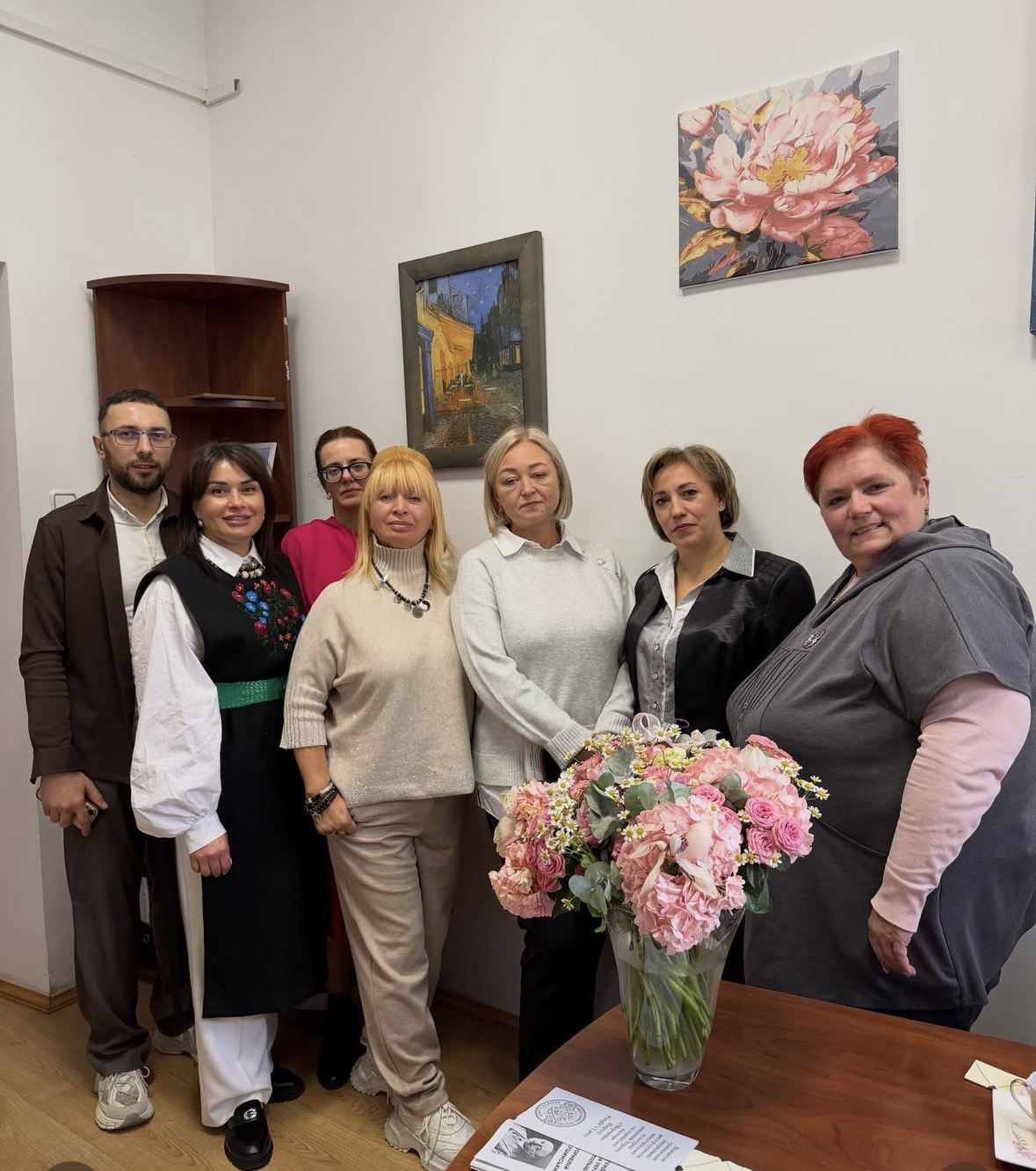
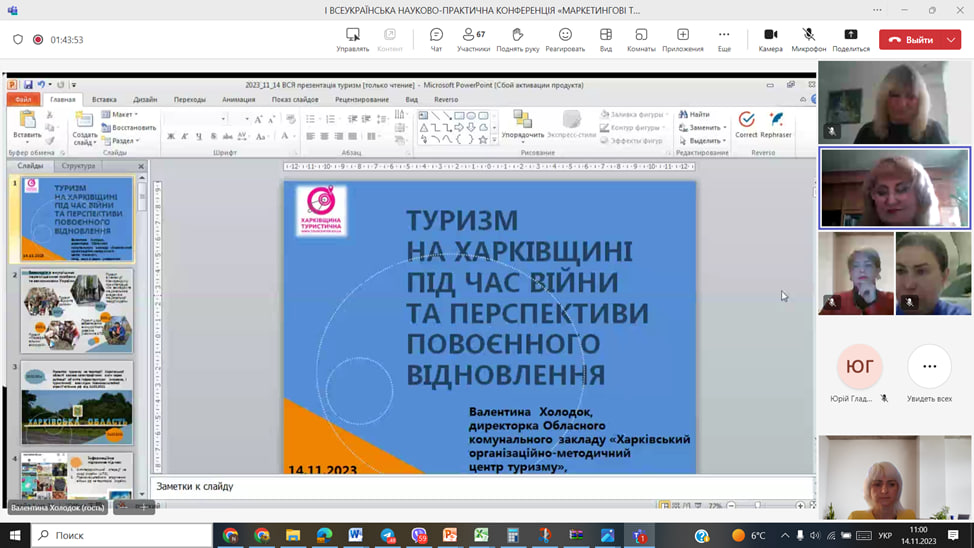
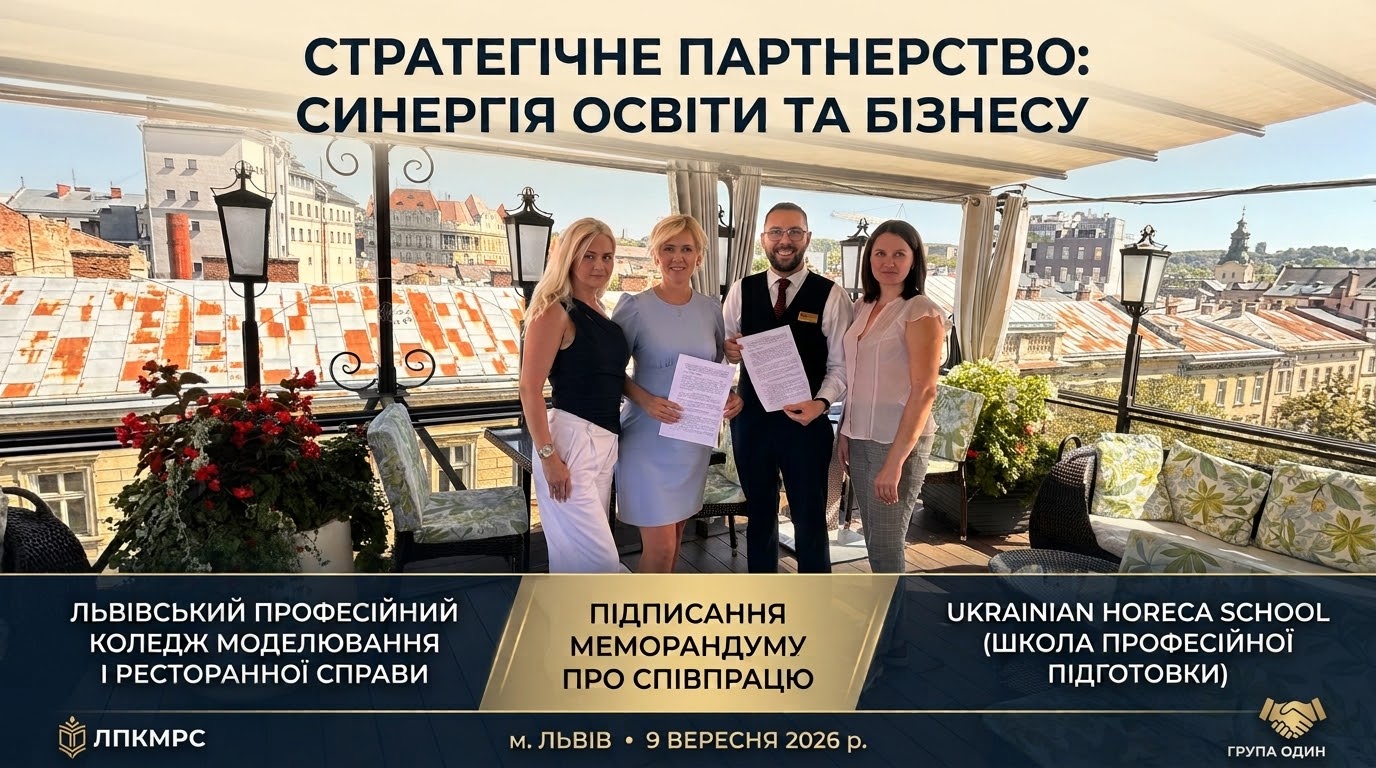
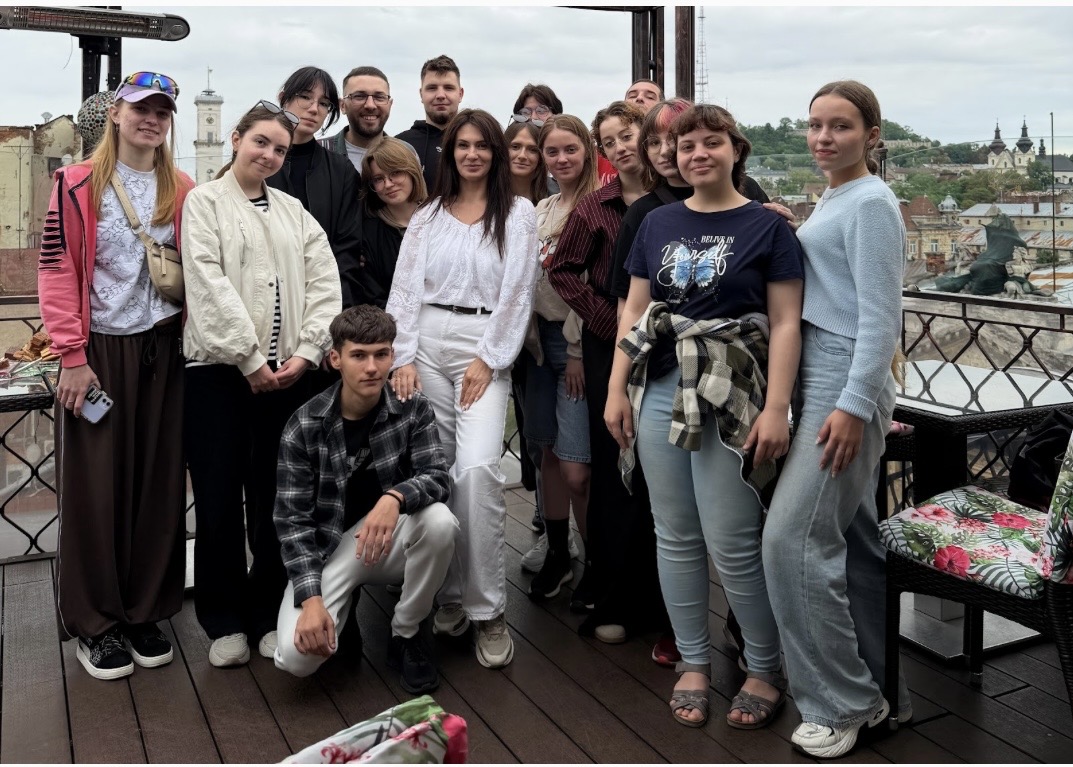
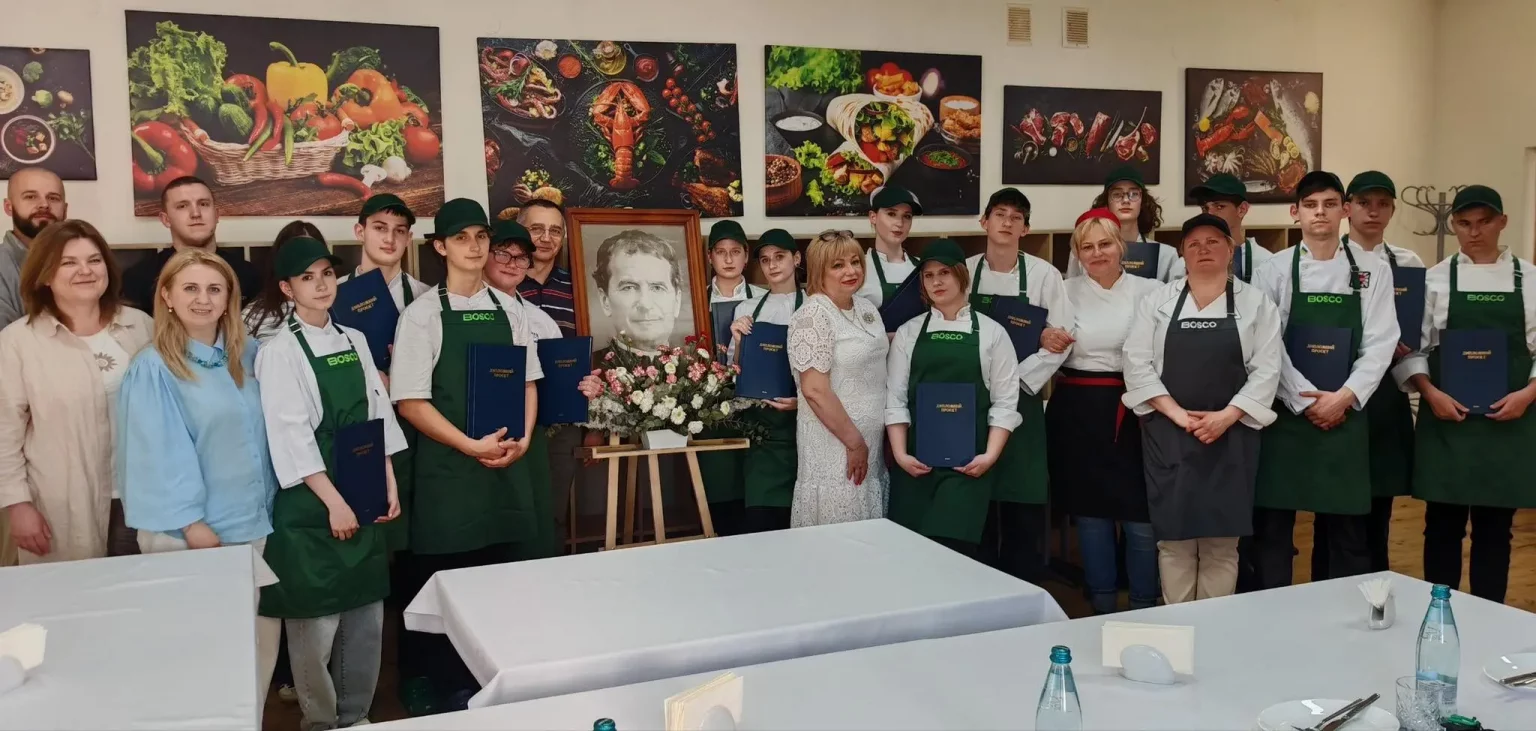
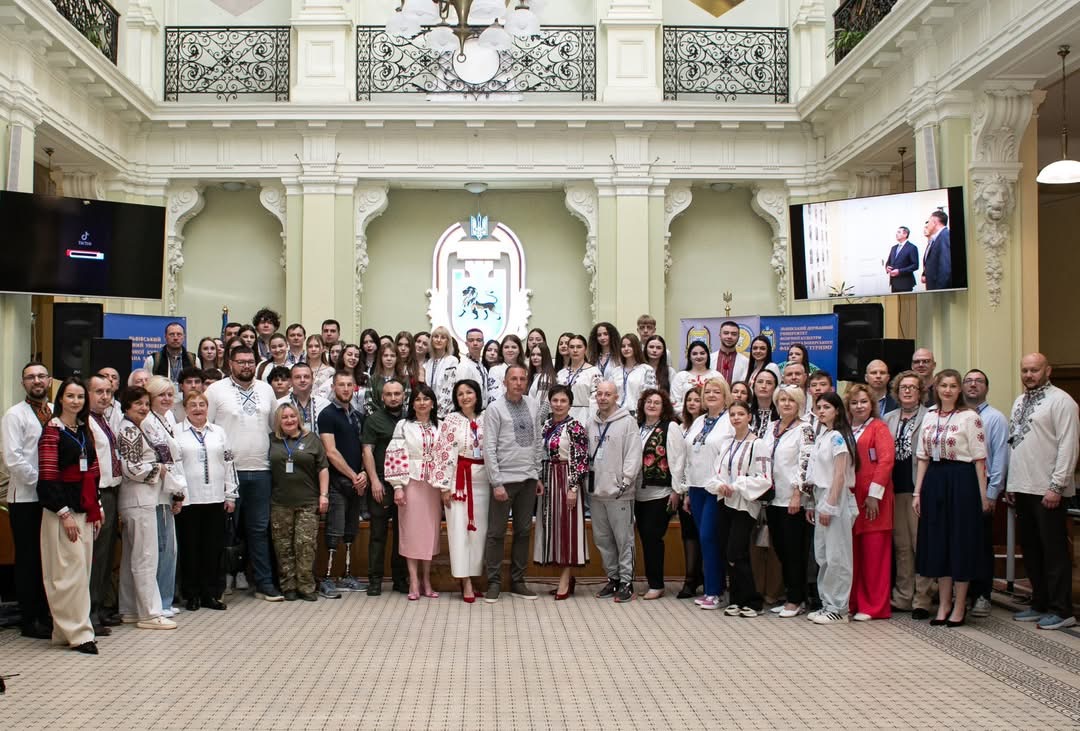
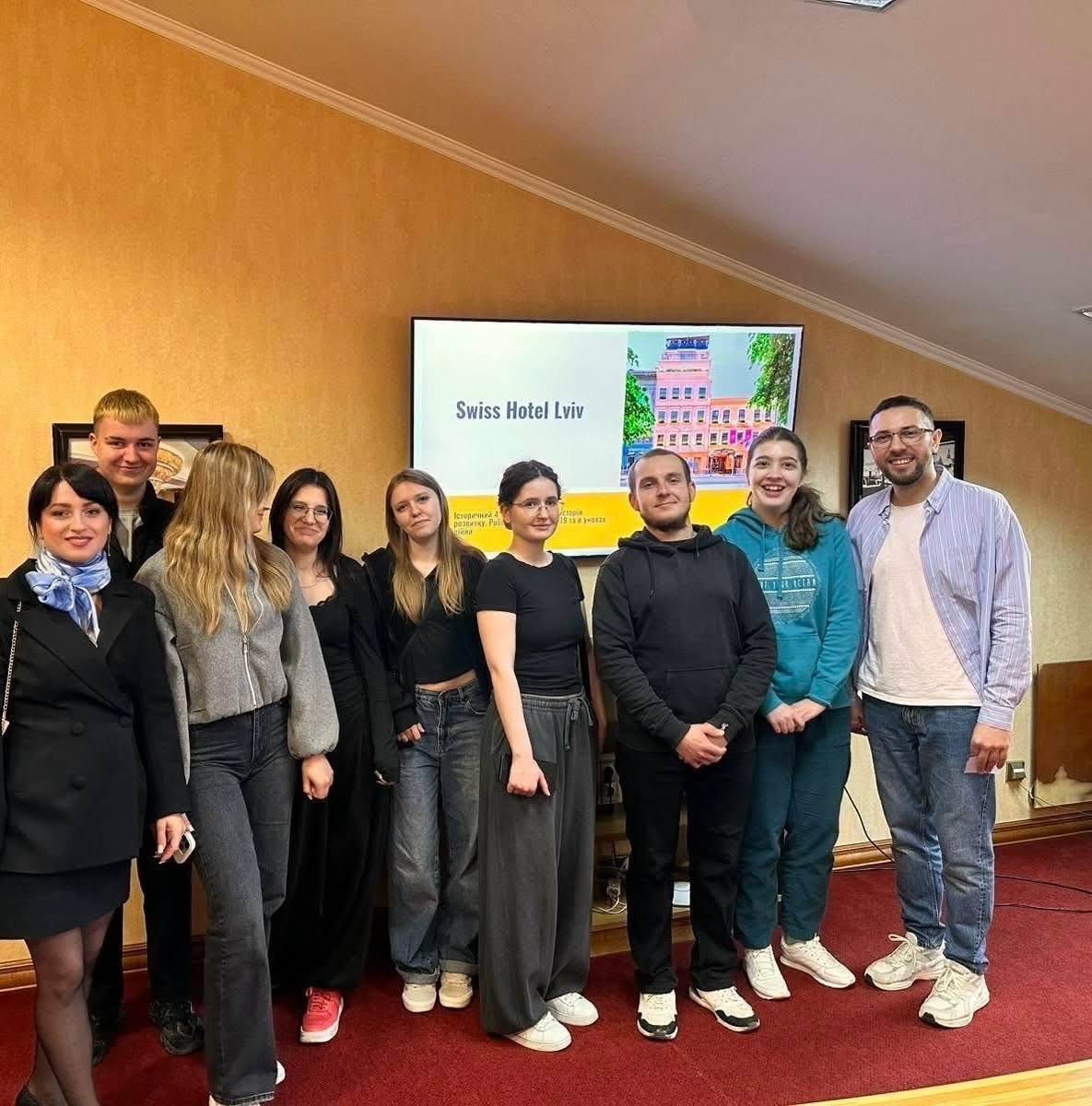
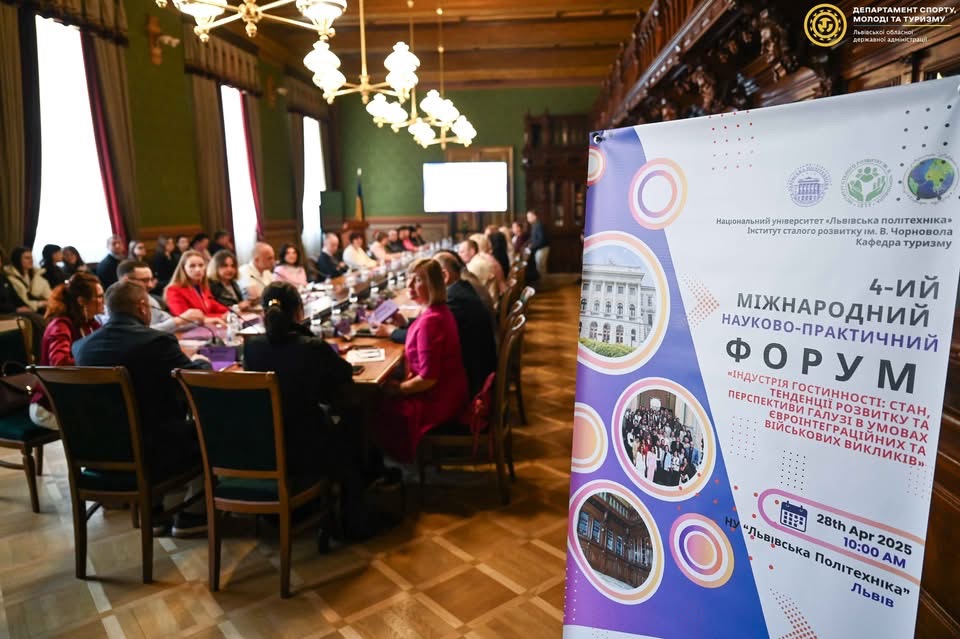
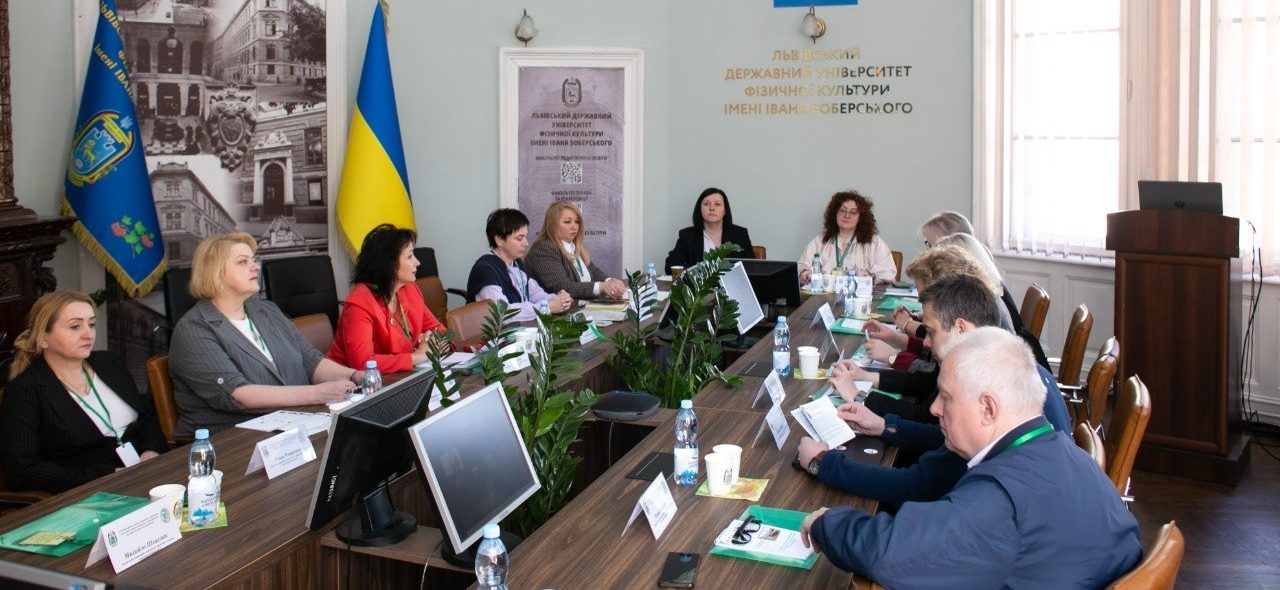
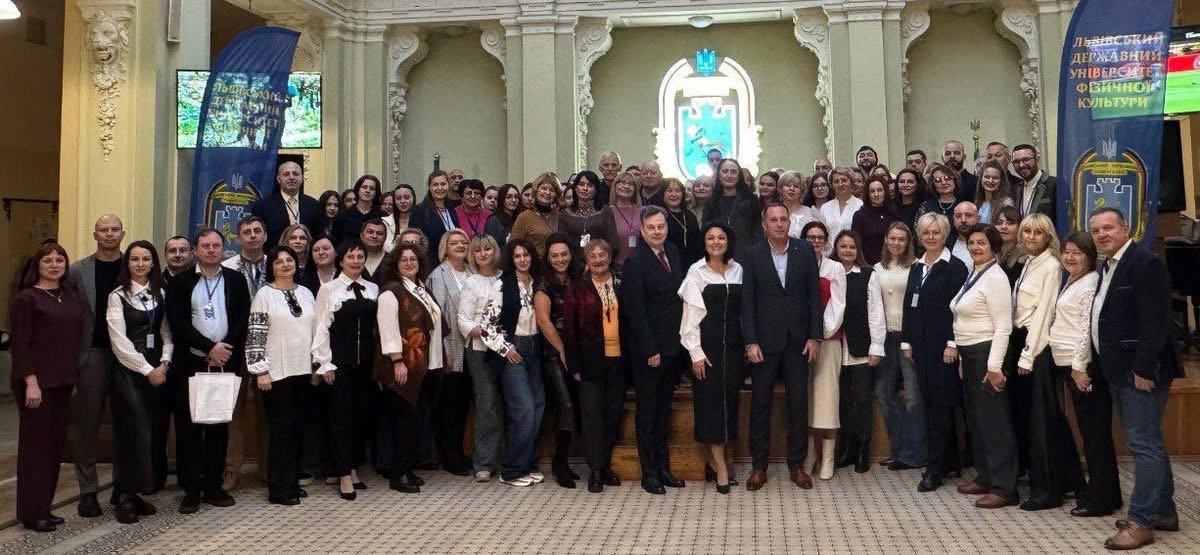
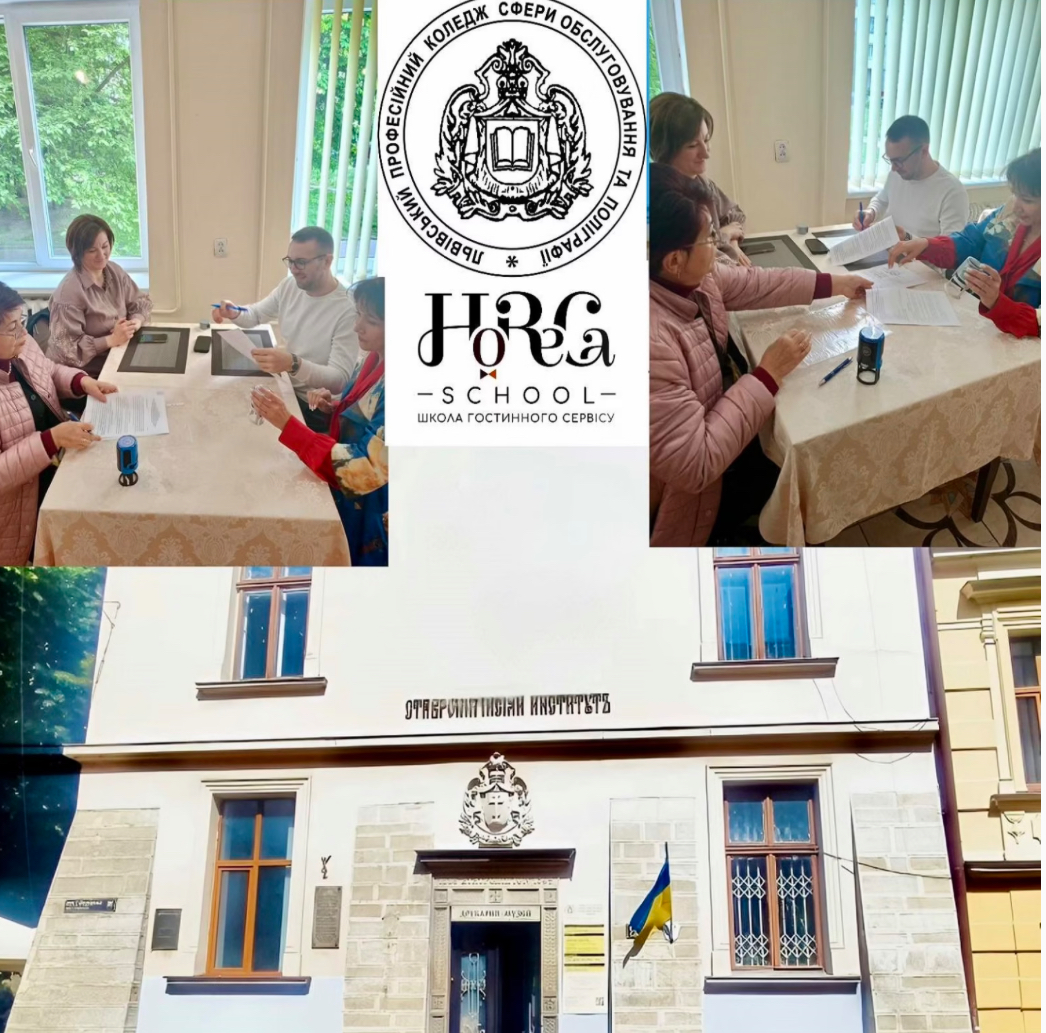
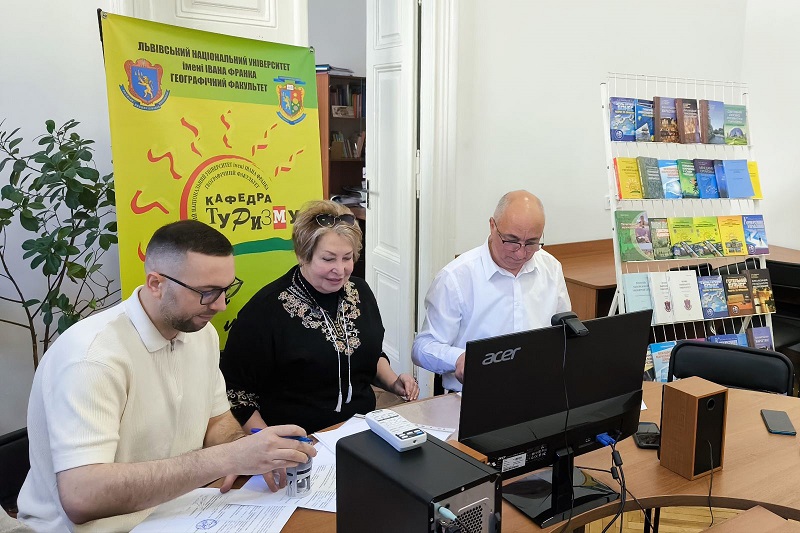
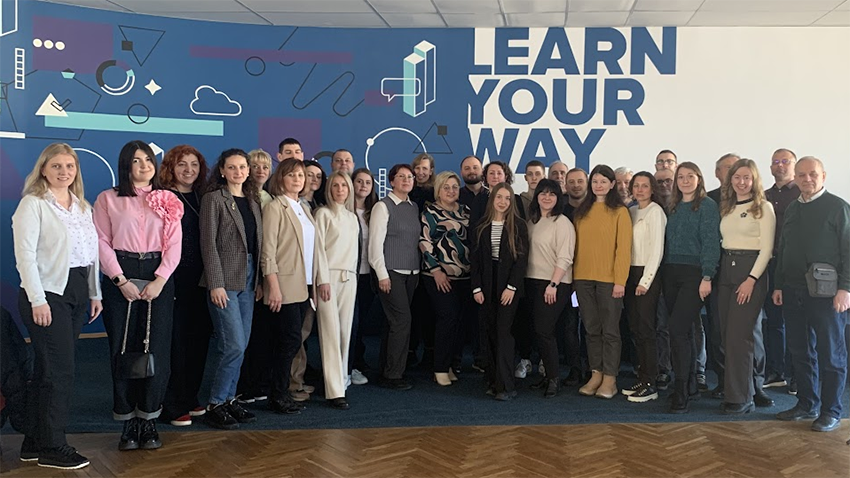
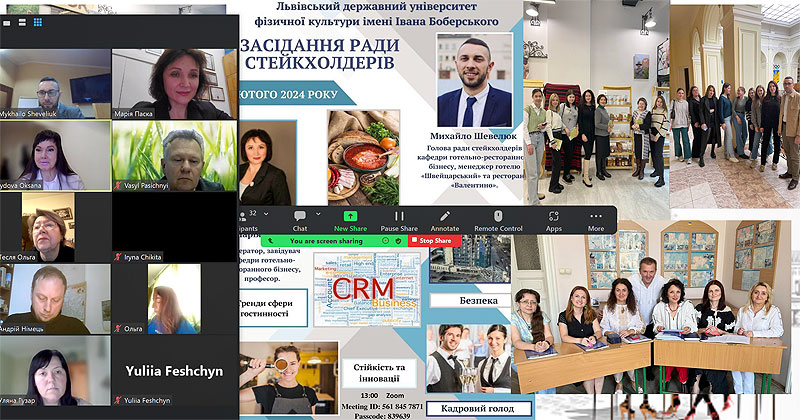
Author’s Note: Collaboration between the Stryi District Military Administration, the Ukrainian HoReCa School, and the Department of Tourism at Lviv Polytechnic National Universityhas already reached a systemic level. It spans both scholarly expertise—notably, Olha Nedzvetska, Senior Lecturer at the Department of Tourism of the Institute of Sustainable Development, serves on the Expert Council on Intangible Cultural Heritage of the Stryi District, while Olha Bodnar was a featured speaker at the 4th International Scientific and Practical Forum on the Hospitality Industry at Lviv Polytechnic—and working roundtables at Lviv Polytechnic’s Institute of Administration, Governance and Professional Development, bringing together local government, vocational educators (Higher Vocational School No. 8 of Stryi), civic initiatives supporting defenders’ families (“Shaolin Philosophy”), and tourism faculty.
— Our partnership with the Department of Tourism at Lviv Polytechnic National University provides the exact scholarly and intellectual foundation without which a local initiative cannot grow into a large-scale tourism brand of global caliber. When our “field” expeditions, community spirit, and living recipes from local homemakers meet academic research, strategic management, and modern digitalization championed by Lviv Polytechnic’s scholars, true sustainable development magic happens.
It is immensely valuable to us that specialists from Lviv Polytechnic’s Department of Tourism do not merely observe from the sidelines—they directly verify elements for our Inventory on the Expert Council, host international discussions on how heritage powers hospitality during wartime, and join us in engaging students in socially vital projects. Lviv Polytechnic students are the future architects of Ukrainian tourism. When we bring them into the communities of the Stryi District and introduce them to veterans, artisans, and tradition-bearers of Boykivshchyna and Opillia, they learn to design routes not from dry textbooks, but from the heart—seeing firsthand how a cultural code becomes an economic driver for a region while simultaneously serving as a tool for psycho-emotional rehabilitation. It is within this triangle—government, community, and a leading university—that we are forging the standards of tourism Ukraine will be proud of after Victory.
— Have there been cases in your practice where a tradition was on the brink of vanishing—perhaps with literally one person left who remembered the technique or ritual—and you managed to rescue it at the very last moment?
— In our practice, it was not simply about rescuing a randomly surviving recipe, but about a true revival of state, ancestral, and noble memory that we worked on for over four years. I am speaking of Hetman Borscht—the exact authentic borscht prepared at the ancestral medieval fortified castle of Hetman Ivan Vyhovsky in the village of Ruda, Hnizdychiv community, in our Stryi Opillia.
At a time when we are fighting for our very existence, returning to ontological ancestral practices—such as the centuries-tested magic of fermenting beets—becomes our strongest emotional anchor, holding fast a thousand-year bond with our lineage. Fermented beets and beet kvass, rather than modern tomato paste, create that deep, rich, noble flavor recorded in Cossack chronicles of the 17th and 18th centuries. At the Hetman’s medieval fortified castle in Ruda, this dish was no everyday meal; it was an elevated ritual of diplomacy, honor, and trust during pivotal councils and receptions of foreign envoys—simmering in clay pots over an oak table was the very idea of Ukrainian statehood.
The true recipe for this borscht carries the hopeful feeling that life endures: it is simmered on a rich broth of farm-raised or wild poultry, smoked pork ribs, or forest mushrooms; cabbage, carrots, and beans are added; beets are prepared in two ways—half boiled, and half braised with a few drops of apple cider vinegar (yabkovyi vinegar, as it was and still is called here); then those secret fermented beets and tangy beet kvass are poured in; it is thickened with a roux of onions sautéed in barley flour so the dish achieves an Opillian velvety richness, and generously seasoned with salt, fennel, wild thyme, dill, and parsley.
The taste of borscht made on such kvass is an explosion of emotion—from the intoxicating aroma of a live hearth and childhood and deep, noble pleasure to unyielding pride that our way of life is precious and unshakable. During the full-scale war, this dish has become a cultural shield and a mother’s prayer in a pot, warming our modern-day hetmans on the front lines. And we did not merely bring this recipe back from oblivion—we enshrined it as a living national act: on December 20, 2025, in Slavsko, at the 3rd “Christmas Borscht” Festival, together with veterans, volunteers, the local community, and businesses, we cooked 317 liters of this Hetman Borscht and set an official National Record of Ukraine. And on February 18, 2026, we inscribed this tradition into the Inventory of Intangible Cultural Heritage of the Stryi District under protection number 46100/0001 i.c.h. Because as long as that very Hetman Borscht from Ruda simmers on our land, Cossack-Hetman glory and an unconquerable Ukraine live on!
— Boykivshchyna and Opillia converge across the Stryi District. How do these two cultural forces coexist in daily life, cuisine, and people’s character? Where does Opillian refinement end and Boyko mountain endurance begin?
— The Stryi District is a wondrous space where the land itself breathes in two voices. Here on our territory, two majestic forces meet: gentle, generous, hospitable Opillia and rugged, majestic, proud Boykivshchyna. And you know, there is no ruler-drawn border between them. They do not argue or swallow each other up; they embrace and intertwine like living embroidery, composing the unmistakable melody of our land that cannot be confused with anywhere else in the world.
When you look closely at our landscape and the character of our people, you feel that subtle threshold almost physically—with your heart. Where the sweeping fields of Opillia, cherry orchards, and quiet river valleys begin to rise upward into ancient spruce forests and steep Carpathian ridges, the gentle plain yields to mountain character:
• Opillia — is noble gentleness, dignity, and the refined generosity of a farming soul. Opillians are accustomed to fertile soil, spacious homesteads, and unhurried wisdom. Their character blends delicacy, an exquisite sense of proportion, and a love of comfort and aesthetics. Their cuisine is a hymn to abundance and subtle flavors—like our delicate barley kutia with cherries and honey, fragrant dishes baked in a wood oven, or the noble Hetman Borscht in which every ingredient has been balanced over centuries.
• Boykivshchyna — where the mountains begin, an elemental force of wind, stone, and unbreakable endurance awakens. A Boyko is forged by altitude. Taciturn, restrained, and observant, they possess an inner backbone as sturdy as a Carpathian spruce log cabin. In the mountains, the earth never yields a harvest effortlessly—it must be won through hard labor, so the Boyko soul learned to value every crumb, to be deep, honest, and extraordinarily reliable. Their cuisine is nature’s strength in pure form: fragrant porcini mushrooms gathered at dawn on high mountain meadows, rich Boyko mushroom soup, hearty Boyko oshchypok flatbreads, or palaniata that warm the body after a long mountain trek.
Yet the true magic of this union revealed itself today, in the darkest hours of the full-scale war and the terrible trials that have befallen Ukraine. When calamity struck, these two elemental forces became our shared armor. Opillian generosity, mercy, and the gift of warming everyone who lost their home embraced Boyko iron endurance, steadfastness, and the ability to withstand the fiercest storm. In these turbulent days of war, Opillian refinement and tenderness soften the pain within our people’s character, while Boyko mountain resilience gives us an unbreakable spine to endure, support the front, and preserve ourselves.
In peaceful daily life and in wartime realities across the Stryi District, these two worlds live under one roof. You can see it at every family table—and especially at our Christmas table in Rozdil, where two bowls of kutia sit side by side, Opillian barley kutia with cherries and Boyko wheat kutia, and carols resound in two voices, merging into one powerful protective charm. We in the Stryi District are grateful children of two worlds. Through our veins flows both the gentle warmth of the Opillian sun and the pure, ringing strength of mountain streams. And in that remarkable union lies our beauty, our endurance through trials, and our invincible life force.
Part 4. The Future, Youth, and a Message for the Book on Service
— You devote tremendous energy to engaging school-age youth with cultural heritage. What hooks the “TikTok generation” in ancestral traditions today? Which format works without fail?
— You cannot fool or deceive the TikTok generation. They grew up in a world of endless digital noise, filters, and fleeting trends, so they spot and reject falseness, boring textbook lectures, or artificial kitsch in three seconds flat. Dry dates will never hold their attention—but what truly hooks them is spirit and authenticity: something alive, primal, and genuine that carries strength, roots, and character. When a young person sees that an ancestral tradition is not mothballed nostalgia behind a museum case, but a powerful code of identity their ancestors fought for across centuries, their eyes catch fire. Today’s youth are searching for the answer to one central question: “Who am I, and where does my strength come from?” When we give them that answer without pomposity, but with fire in our hearts, they become the most devoted bearers and creators of our culture.
From our experience working with young people and the Stryi District Youth Council, I know for certain that only formats where youth stop being passive “listeners” and become the protagonists of action work without fail:
• Tactility and living craft. The screen generation urgently needs to touch the world with their hands, because genetic memory awakens through physical touch: when a teenager or young adult personally grinds poppy seeds in a makitra for Opillian kutia, pinches Boyko pyrohy, crafts a stuffed folk doll (lialka-napkhanka), or learns to ferment beets for Hetman Borscht, that dish or craft becomes their own personal victory—one they want to share with the world.
• Drive, scale, and belonging to something big. Young people love energy, scale, and being part of something monumental—when they set national records alongside veterans and the community, plant trees in the “Garden of Memory and Dreams,” or join our living spaces “Patch of Hope” and PLYATS “5G,” where an ancient voice sounds modern and strong, they feel genuine pride in their land.
• Freedom of interpretation. Most importantly, we speak the language of their world and grant them freedom of interpretation—never fearing that they will film the process of cooking an authentic dish or singing an ancient carol on their phones and post it online, because through modern visuals and raw emotion, an age-old tradition gains new breath and becomes fashionable among their peers.
My core conviction is simple: we should not lecture youth about “the past”—we must build the future together with them on the foundation of our roots. When we trust young people, give them room to act, and show them the unvarnished beauty of our authenticity, they carry that flame forward themselves. Because the Ukrainian spirit never grows old—it simply waits to blaze with renewed power in each rising generation. Looking at our youth today, I know for sure that our lineage, our memory, and our Ukraine are in reliable, strong, and passionate hands!
— Let’s imagine an ideal gastronomic route across the Stryi District five years from now, when we have won the war and travelers from around the world come to visit. Which three stops would you definitely include on this route so that a foreign visitor falls in love with Ukraine forever?
— Oh, what a challenging yet inspiring assignment! My Stryi District pulses with so much uniqueness, depth, and vitality that squeezing it into three stops is a real test. After all, our land has been inhabited by humans for over 46,000 years, major trade routes crossed our territory, and fifteen of our towns and villages held Magdeburg rights. Every stone here breathes eternity.
Yet if five years from now, in a victorious Ukraine, a guest arrived from the other side of the globe, I would guide them on a journey through time—from prehistoric caves and defensive cliffs to the architecture of the future, where every epoch has its own unforgettable taste. Here are three sacred stops after which any foreign visitor will fall in love with Ukraine forever:
1. Stop One — The Hoary Depths of Millennia and Noble Opillia. We would begin where European civilization itself took root: at the Pryima Grotto in the Mykolaiv community, preserving a Neanderthal site dating back 46,000 years, and right nearby at the majestic Stilsko and Iliv hillforts—the legendary 8th–11th-century capital of the White Croats with its rock-cut labyrinths and ancient sanctuaries. Once our guest has touched those cliffs and felt the sheer scale of our history, we would seat them at a table of noble Opillian cuisine. Just down the road from Ruda, where Hetman Ivan Vyhovsky lived in his fortified castle, our visitor would taste authentic Hetman Borscht made with fermented beets and beet kvass and thickened with barley flour, alongside our fragrant Opillian barley kutia with cherries. This is the taste of dignity, statehood, and thousand-year-old roots.
2. Stop Two — The Carpathian Fortress of Tustan and the Unyielding Cuisine of the Boykos. Next, our path climbs into the mountains along the ancient Carpathian salt route to the legendary cliffside fortress of Tustan. Where pre-Christian solar symbols are still carved into the rock face, and where the stern customs command “Tu stan!” (“Halt here!”) echoed during the eras of Kyivan Rus and the Kingdom of Galicia–Volhynia, travelers will feel the untamed, primal power of the Carpathians. After descending from the cliffs, a steaming, generous feast brimming with mountain spirit awaits: fragrant mushroom machinka made from high-meadow porcini mushrooms, richly thickened with flour, hearty Boyko pyrohy, and herbal teas gathered from Carpathian alpine ridges. This is the taste of mountain endurance, honesty, and warmth beside a crackling hearth.
3. Stop Three — The Third Millennium Church in Khodoriv and the Bounty of Opillian Ponds. We should conclude this journey at a landmark that already belongs to the future—the Church of Saints Volodymyr and Olha in Khodoriv, known as the “Temple of the Third Millennium.” Crafted from glass and 160 tons of metal to resemble an angel’s outstretched wings or a starship, this futuristic structure won the Grand Prix at an international architectural competition in Warsaw, while its interior dazzles with light streaming through vast stained-glass windows and suspended icons free of conventional wall murals. Having seen how boldly Ukrainian spirituality gazes into the sky of the future, our guest would savor the culinary jewel of this area: our famous Opillian “Zasypana Kapusta”—a cultural treasure inscribed on the National Inventory of Intangible Cultural Heritage—paired with exquisite freshwater fish dishes from local Opillian ponds and refined Galician layered cakes (pliatsky) whose delicate artistry would make Vienna or Paris envious!
Having traveled this route in a single day, a foreign visitor will experience all of Ukraine in miniature: our 46,000-year depth, our princely and Cossack might, and our bold flight into the future. Having felt all of this through flavor, sincerity, and the warmth of our homemakers, they will return home convinced that Ukraine is the true heart of Europe—one it is impossible not to fall in love with.
— What single thing or habit from the world of our ancestors would you want to bring back into every modern Ukrainian family today—not as an obligation, but as a source of inner strength?
— If I could wave a magic wand and restore just one thing to every Ukrainian family, I would bring back the evening gathering around the table without phones, screens, or news feeds—the good old family circle by the light of a single candle or lamp. Not as another chore or household duty, but as a sacred ritual of peace and protection.
After a long day of hard work, our ancestors always gathered together under one roof. They did not merely eat supper—they shared silence, listened to one another, passed down lived wisdom, gave thanks to the earth for their bread, and passed warmth from hand to hand. Inside that shared circle, every ache grew quiet, anxieties dissolved, and an unspoken certainty was born: “We are here. We are together. We will endure.”
Today, amid relentless stress, air-raid sirens, and constant rushing, families often scatter into separate corners, buried in smartphone screens. We are physically side by side, yet each person is alone. So my advice is very simple: make at least one dinner a week—or even a few quiet minutes before sleep—a moment of total presence for one another. Let it be a moment when you pour herbal tea together, break a piece of bread, look into one another’s eyes, and ask: “How is your heart today?” Say a prayer for our warriors, recall something good from the day, and simply hold hands.
This simple habit—gathering in a circle of light and love—works more powerfully than any medicine. It builds that inner armor-piercing resilience that prevents the enemy from breaking us from within. For as long as light shines in a Ukrainian home at dusk, bread fills the air with its scent, and a living human voice is heard, our lineage lives—and no darkness will ever overcome us.
— Our book on hospitality aims to remind Ukrainians of their own dignity and teach them how to turn our culture into a global standard of service. What main parting message would you like to leave on its pages for young entrepreneurs, chefs, and servers?
— My dear, courageous, and talented creators of a new Ukraine—entrepreneurs, chefs, servers, baristas, and restaurateurs!
Remember one simple yet fateful truth: you are not merely the “service sector.” You are ambassadors of our dignity and holders of the Ukrainian cultural front. Today, the world is learning not just service from us—it is learning world-class resilience. Because you create beauty, comfort, and impeccable quality during the hardest chapter in history: beneath the wail of air-raid sirens and the sound of shelling, between trips to bomb shelters, by the hum of generators, while your hearts ache for our loved ones in the trenches. You stand behind the stove and walk out onto the dining floor with a straight back and a bright smile, proving every single day that the Ukrainian spirit cannot be brought to its knees and that our life is unbreakable. Every cup of coffee, every bowl of hot borscht, and every heartfelt “Good day, we are so glad to see you!” in wartime is an act of pure resistance and diplomacy of the highest order.
That is why you must cast out of your minds forever the inferiority complex once imposed upon us. We do not need to imitate anyone, chase foreign fads, or feel ashamed of our own roots, local dish names, or our mother tongue and dialects. For the highest global standard begins where authenticity is born—multiplied by love, endurance, and self-respect.
When you step up to the stove or welcome a guest, remember that you are continuing a thousand-year-old tradition of noble Ukrainian hospitality—the very tradition where the fates of states were decided around a single table, where bread and salt symbolized the highest trust, and where every traveler felt safely sheltered. Cook as though you are setting the table for our defenders who have just stepped out of the trenches and come home after a long, grueling journey. Pour into your craft not only flawless skill, but the soul of Life-Bringers—that living, unconquerable energy that heals, warms, and restores people’s strength to keep living.
Do not be afraid to be bold, do not be afraid to be deep, and do not be afraid to turn our heritage into living action. Build your business on honor, respect the labor of the farmer, the homemaker, and the artisan, and guard every recipe of your region like a family treasure. Create in such a way that everyone who crosses your threshold—whether a warrior straight from the front line or a traveler from the far side of the world—feels in their heart that a great, noble, unshakable nation lives here: a nation that stood firm through the darkest hours, knows its own worth, and knows how to create light.
Let us stand together and hold the ranks of Ukrainian identity as one.
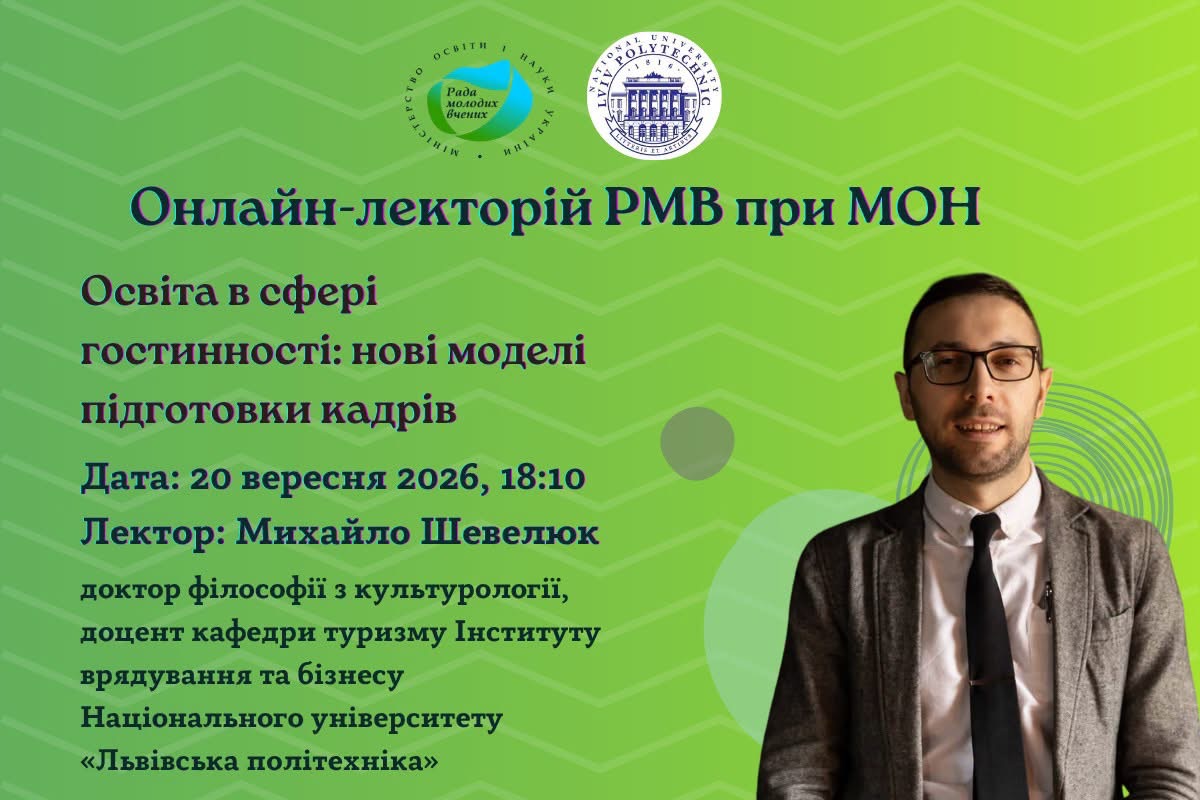
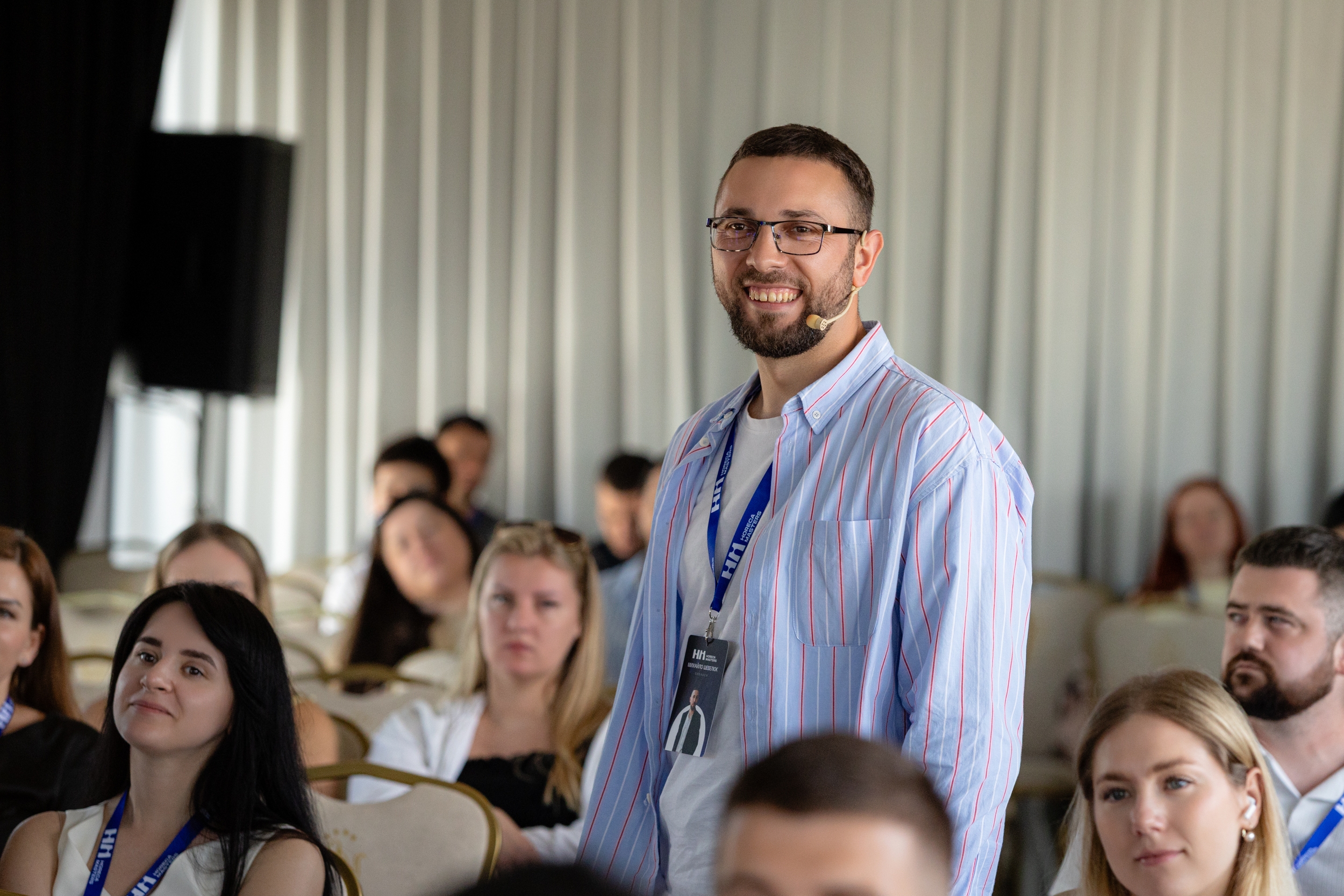
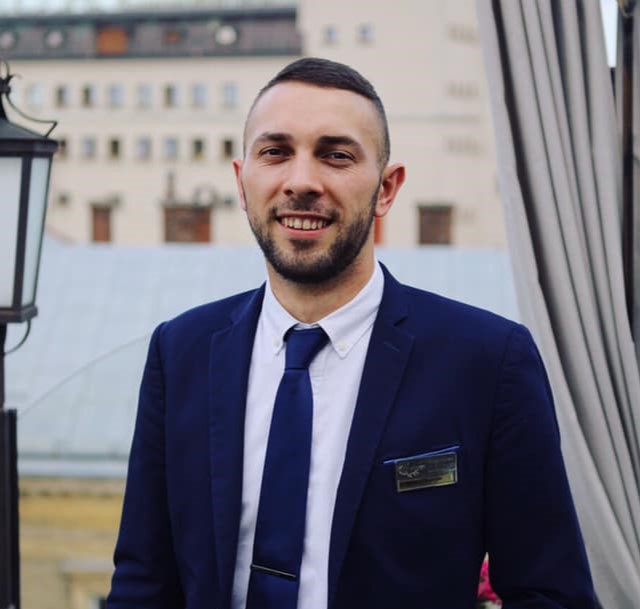
Interview conducted by: Mykhailo Sheveliuk, Head of the Ukrainian HoReCa School, Associate Professor at the Department of Tourism, Institute of Administration, Governance and Professional Development, Lviv Polytechnic National University, Ukrainian warrior